HOME » Page 8

Blog

  • Email bounces: why they happen & how to handle them?

    Email bounces: why they happen & how to handle them?

    Email bounces are a common occurrence, and understanding why they happen is crucial for maintaining a healthy sender reputation.1 Here’s a breakdown of why emails bounce and how to handle them:

    Understanding Email Bounces

    An email bounce occurs when an email cannot be delivered to the intended recipient and is returned to the sender. These bounces can be categorized into two main types:2

    • Hard Bounces:
      • These indicate a permanent delivery failure.3
      • Common causes include:
        • Invalid or non-existent email addresses.4
        • Domain name issues.5
        • The recipient’s server permanently blocking the sender.6
      • These are the most damaging to your sender reputation.7
    • Soft Bounces:
      • These indicate a temporary delivery failure.8
      • Common causes include:
        • Full recipient mailbox.9
        • Temporary server issues.10
        • Email size exceeding the recipient’s server limit.11
        • Temporary server outage.12
        • The receiving server’s security filter temporarily blocking the email.

    Reasons Why Emails Bounce

    Here are some of the most common reasons:

    • Invalid Email Address:
      • Typos in the email address.13
      • The email account no longer exists.
    • Server Issues:
      • The recipient’s email server is down or experiencing problems.14
      • The sender’s email server is experiencing problems.
    • Mailbox Full:
      • The recipient’s inbox has reached its storage limit.15
    • Spam Filters:
      • The email content triggers spam filters.16
      • The sender’s IP address is blacklisted.
    • Email Size:
      • The email exceeds the recipient’s server’s size limit.17
    • Authentication Issues:
      • Problems with SPF, DKIM, or DMARC records.18

    How to Handle Email Bounces

    Here’s how to address email bounces:

    • For Hard Bounces:
      • Immediately remove the email address from your mailing list.
      • Repeatedly sending emails to hard bounce addresses can damage your sender reputation.19
    • For Soft Bounces:
      • Try resending the email after a short period.
      • If the soft bounce persists, remove the email address from your active list.20
      • Investigate the reason for the soft bounce if possible.
    • Maintain a Clean Email List:
      • Regularly verify email addresses.21
      • Use double opt-in for new subscribers.
      • Remove inactive subscribers.
    • Improve Sender Reputation:
      • Authenticate your emails with SPF, DKIM, and DMARC.22
      • Avoid sending spammy content.23
      • Maintain a consistent sending volume.
    • Monitor Bounce Rates:
      • Use email marketing tools to track your bounce rates.24
      • Identify and address any trends.

    By understanding the causes of email bounces and taking appropriate action, you can improve your email deliverability and maintain a positive sender reputation.25


  • How keeping a daily journal can change your life?

    How keeping a daily journal can change your life?

    Keeping a daily journal can be a powerful tool for self-discovery and personal growth.1 Here’s how it can change your life:

    1. Self-Awareness:

    • Understand your emotions: Journaling provides a safe space to explore your feelings, identify triggers, and recognize patterns in your emotional responses.2
    • Gain clarity: Writing down your thoughts can help you organize them, make sense of situations, and gain new perspectives on your experiences.3
    • Identify your strengths and weaknesses: Reflecting on your actions and reactions can help you understand your strengths and areas where you can improve.4

    2. Mental and Emotional Well-being:

    • Reduce stress and anxiety: Expressing your feelings in writing can help release tension and reduce the burden of holding onto negative emotions.5
    • Cope with challenges: Journaling can help you process difficult experiences, find healthy coping mechanisms, and develop resilience.6
    • Boost your mood: Focusing on positive aspects of your day or practicing gratitude journaling can improve your overall outlook and increase happiness.7

    3. Personal Growth:

    • Track your progress: By reviewing past entries, you can see how far you’ve come, acknowledge your achievements, and stay motivated on your journey.8
    • Set and achieve goals: Journaling can be used to clarify your goals, break them down into smaller steps, and track your progress, leading to increased productivity and success.9
    • Enhance creativity: Journaling can be a form of brainstorming, allowing you to explore new ideas, unleash your creativity, and find innovative solutions to problems.10

    4. Improved Communication:

    • Develop self-expression: Regular writing can improve your ability to articulate your thoughts and feelings, both in writing and verbally.11
    • Enhance communication skills: Journaling can help you understand your communication patterns, identify areas for improvement, and practice expressing yourself more effectively.12

    5. Mindfulness and Reflection:

    • Practice mindfulness: Journaling can be a form of mindfulness, encouraging you to focus on the present moment and appreciate your experiences.13
    • Cultivate gratitude: Regularly noting things you’re grateful for can shift your focus towards positivity and increase your overall well-being.14

    Here are some tips to get started:

    • Find your preferred method: Choose a format that suits you, whether it’s a traditional notebook, a digital journal, or a journaling app.
    • Set aside dedicated time: Choose a time of day when you can consistently write without distractions.
    • Start small: Begin with short entries and gradually increase the length as you get more comfortable.15
    • Be honest and authentic: Write freely without judgment, allowing yourself to express your true thoughts and feelings.16
    • Don’t worry about perfection: Focus on the process of writing rather than grammar or style.
    • Use prompts: If you’re unsure what to write about, use journaling prompts to spark your creativity.
    • Review your entries: Periodically reread past entries to gain insights into your growth and progress.

    Remember, journaling is a personal journey. There’s no right or wrong way to do it. The most important thing is to start and make it a consistent practice.

  • AI Image Recognition: How and Why It Works

    AI Image Recognition: How and Why It Works

    AI Image Recognition: How and Why It Works

    AI image recognition, a subset of computer vision, empowers computers to interpret and understand the visual world.1 It works by employing sophisticated algorithms, primarily deep learning models, to analyze images and extract meaningful information.2

    How it Works:

    1. Image Input: The process begins with an image being fed into the system.3
    2. Feature Extraction: The AI model, often a Convolutional Neural Network (CNN), breaks down the image into a grid of pixels.4 It then identifies patterns, edges, shapes, and textures within these pixels.5
    3. Feature Learning: The CNN analyzes these features, learning to recognize complex patterns and relationships.6 This learning process is facilitated by training the model on massive datasets of labeled images.7
    4. Classification: Based on the learned patterns, the model classifies the image, identifying objects, scenes, or attributes within it.8

    Why it Works:

    • Deep Learning: CNNs, inspired by the human brain’s neural networks, excel at recognizing intricate patterns and hierarchies in data.9 They can learn increasingly abstract representations of images, enabling them to identify objects even with variations in lighting, perspective, and occlusion.10
    • Big Data: The availability of massive labeled datasets allows AI models to learn from a vast number of examples, improving their accuracy and generalizability.11
    • Computational Power: Advances in computing hardware, such as GPUs, have made it possible to train complex deep learning models efficiently.12

    Applications of AI Image Recognition:

    • Self-Driving Cars: Object detection and scene understanding for navigation and safety.13
    • Medical Imaging: Diagnosis of diseases like cancer and analyzing X-rays, MRIs, and CT scans.14
    • Facial Recognition: Unlocking phones, security systems, and social media tagging.15
    • Retail: Visual search, inventory management, and personalized recommendations.16
    • Surveillance: Security monitoring and identifying suspicious activities.17

    In essence, AI image recognition works by mimicking the human visual system, enabling computers to understand and interpret images in a way that was previously unimaginable.18

    Would you like to know more about a specific application of AI image recognition or delve deeper into the technical aspects of CNNs?

  • Use of AI in email marketing

    Use of AI in email marketing

    AI is revolutionizing email marketing by automating tasks, personalizing content, and optimizing campaigns for better results. Here are some key ways AI is being used:

    1. Personalization:

    • Dynamic Content: AI analyzes customer data to deliver tailored content, such as product recommendations, personalized offers, and relevant messages based on individual preferences and behavior.
    • Subject Line Optimization: AI algorithms can generate and test different subject lines to identify those with the highest open rates, increasing engagement.

    2. Automation:

    • Triggered Emails: AI can automate the sending of triggered emails, such as welcome messages, abandoned cart reminders, and post-purchase follow-ups, based on specific customer actions.
    • Workflows: AI-powered platforms can create complex email workflows that adapt and adjust based on real-time customer interactions and campaign performance.

    3. Segmentation:

    • Predictive Segmentation: AI can identify and group customers based on their likelihood to convert, churn, or engage with specific offers, allowing for more targeted campaigns.
    • Behavioral Segmentation: AI analyzes customer behavior, such as website visits, email opens, and click-throughs, to segment audiences based on their interests and preferences.

    4. Optimization:

    • A/B Testing: AI can automate A/B testing of different email elements, such as subject lines, calls to action, and content, to identify the most effective variations.
    • Send Time Optimization: AI analyzes historical data to determine the optimal time to send emails to each recipient based on their individual engagement patterns.

    5. Content Creation:

    • AI Writing Tools: AI can assist in generating email copy, such as subject lines, headlines, and even entire email bodies, saving marketers time and effort.
    • Image Generation: AI can create personalized images and visuals for email campaigns, making them more visually appealing and engaging.

    By leveraging AI, businesses can improve their email marketing campaigns, increase engagement, drive conversions, and build stronger relationships with their customers.

  • What are some email marketing tips?

    What are some email marketing tips?

    Email marketing can be a powerful tool for businesses of all sizes. Here are some tips to help you create effective email campaigns:

    • Build an engaged email list. The foundation of successful email marketing is having a list of subscribers who are interested in receiving your emails. You can grow your list by offering valuable content, such as blog posts, ebooks, or webinars, in exchange for email sign-ups.
    • Segment your email list. Not all subscribers are created equal. Segment your list based on factors such as demographics, interests, and purchase history to send targeted messages that are more likely to resonate with each recipient.
    • Craft compelling subject lines. Your subject line is the first thing subscribers see, so it needs to be attention-grabbing and relevant to the content of your email.
    • Keep your emails concise and visually appealing. Use a clear and concise writing style, and break up your text with headings, subheadings, and bullet points. Use high-quality images and videos to make your emails visually appealing.
    • Include a clear call to action (CTA). Tell your subscribers exactly what you want them to do, whether it’s clicking a link, making a purchase, or signing up for a webinar.
    • Test and optimize your campaigns. Track your email metrics, such as open rates, click-through rates, and conversion rates, to see what’s working and what’s not. Use A/B testing to experiment with different1 subject lines, content, and CTAs to find what performs best.
    • Follow email marketing best practices. Make sure your emails comply with relevant laws and regulations, such as the CAN-SPAM Act in the United States and GDPR in the European Union. Always provide an unsubscribe link in your emails so subscribers can easily opt out of receiving future messages.

    By following these tips, you can create email marketing campaigns that are effective, engaging, and profitable.

  • The Importance of Accurate Data Entry

    The Importance of Accurate Data Entry

    In today’s data-driven world, accurate data entry is no longer just a clerical task; it’s the foundation upon which successful businesses are built. The quality of your data directly impacts the quality of your decisions, the efficiency of your operations, and ultimately, your bottom line.

    Here’s why accurate data entry is so crucial:

    1. Informed Decision Making:
    • Reliable Insights: Accurate data provides a true reflection of your business’s performance. This allows you to make informed decisions about marketing strategies, product development, and resource allocation.
    • Risk Mitigation: Inaccurate data can lead to costly errors, such as incorrect billing, missed deadlines, and poor customer service. Accurate data helps you identify and mitigate these risks.
    1. Improved Efficiency:
    • Streamlined Operations: When data is entered correctly the first time, it saves time and resources that would otherwise be spent on correcting errors and resolving inconsistencies.
    • Automation: Accurate data enables the use of automation tools, such as AI-powered data entry systems, which can significantly improve efficiency and reduce manual labor.
    1. Enhanced Customer Relationships:
    • Personalized Service: Accurate customer data allows you to personalize your interactions and provide a better customer experience. This can lead to increased customer satisfaction and loyalty.
    • Targeted Marketing: With accurate data, you can segment your customers and target them with relevant marketing campaigns, increasing the effectiveness of your marketing efforts.
    1. Competitive Advantage:
    • Data-Driven Insights: Businesses that leverage accurate data gain a competitive advantage by making data-driven decisions that outperform their competitors.
    • Innovation: Accurate data fuels innovation by providing the insights needed to develop new products, services, and business models.
    1. Compliance and Security:
    • Regulatory Compliance: Many industries have strict regulations regarding data accuracy and security. Accurate data entry helps ensure compliance with these regulations.
    • Data Security: Accurate data is essential for maintaining data security. Inaccurate data can create vulnerabilities that can be exploited by cybercriminals.

    In conclusion, accurate data entry is not just a clerical task; it’s a strategic imperative. By investing in data quality, businesses can unlock a wealth of benefits, from improved decision-making and increased efficiency to enhanced customer relationships and a competitive advantage.

  • A Fresh Start: Reflections & Resolutions for the New Year

    A Fresh Start: Reflections & Resolutions for the New Year

    A Fresh Start: Reflections & Resolutions for the New Year

    Happy New Year, everyone!

    As we bid farewell to 2024 and welcome 2025, it’s a time for reflection, gratitude, and setting new intentions.

    Reflecting on the Past Year:

    • What were your biggest accomplishments in 2024?
    • What challenges did you overcome?
    • What are you most proud of?

    Taking a moment to acknowledge your successes, both big and small, is crucial for personal and professional growth.

    Setting Intentions for the New Year:

    • What are your professional goals for 2025?
    • What skills do you want to develop?
    • What new opportunities are you seeking?

    Setting SMART goals (Specific, Measurable, Achievable, Relevant, and Time-bound) can help you stay focused and motivated throughout the year.

    Cultivating a Growth Mindset:

    • Embrace continuous learning.
    • Seek out challenges and step outside your comfort zone.
    • Learn from your mistakes and view setbacks as opportunities for growth.

    Remember, success is a journey, not a destination. Celebrate your progress along the way, and don’t be afraid to adjust your course as needed.

    I’m excited to see what 2025 brings! Wishing you all a year filled with success, happiness, and fulfillment.

    #NewYear #NewBeginnings #GrowthMindset #ProfessionalDevelopment #LinkedIn

    Optional additions:

    • You can share a personal anecdote related to a professional or personal goal you achieved in the past year.
    • You can include a quote about new beginnings or personal growth.
    • You can use relevant visuals like an inspiring image or a short video clip.

    I hope this helps! Feel free to adapt it to your own experiences and professional goals.

  • Types of Data Entry: A Comprehensive Look

    Types of Data Entry: A Comprehensive Look

    Types of Data Entry: A Comprehensive Look

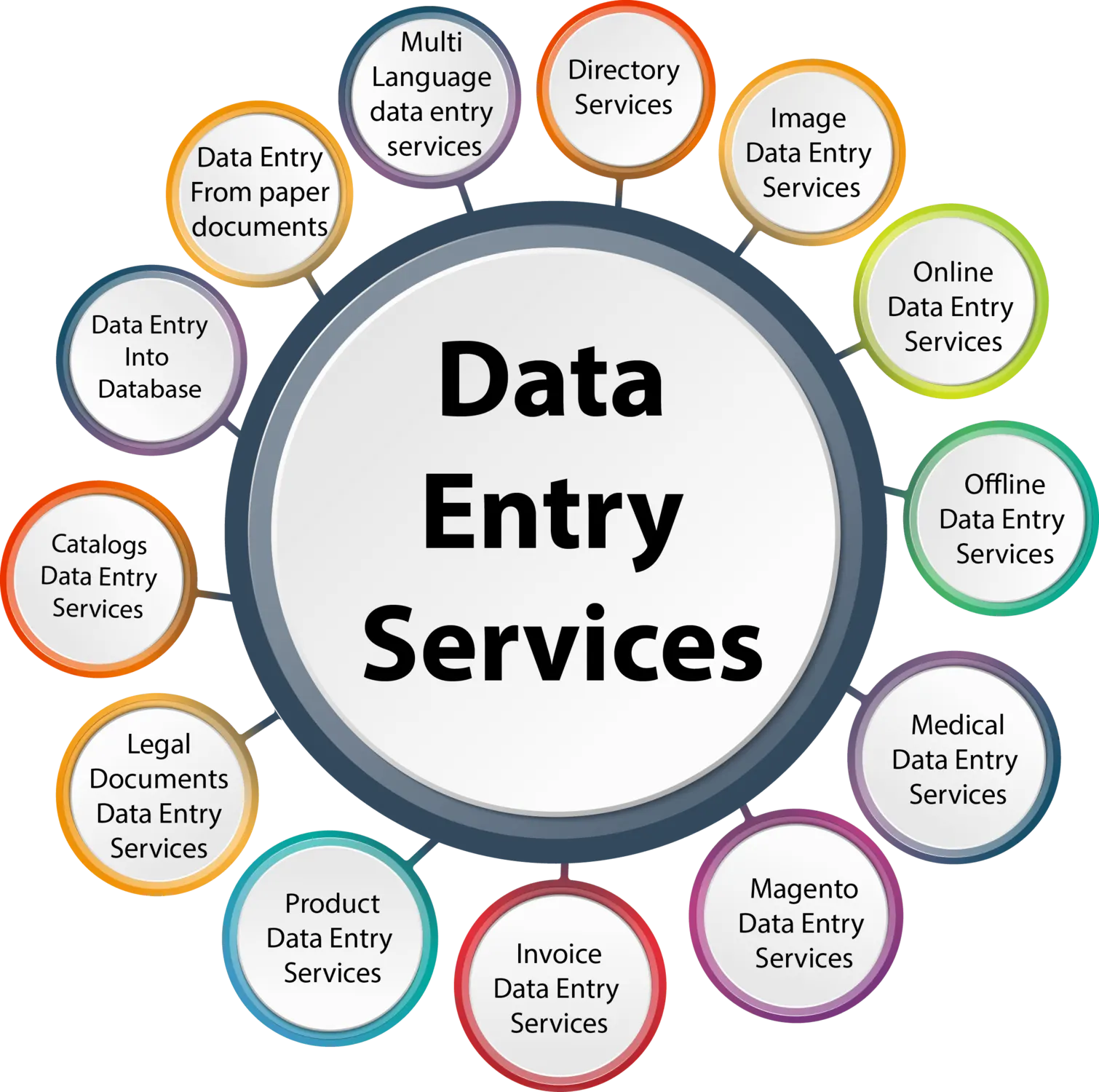
    Data entry is the process of manually or electronically inputting data into a computer system or database. This can include a wide range of tasks, from simple typing to complex data conversion. Here are some of the most common types of data entry:

    1. Manual Data Entry

    • Definition: This involves manually typing data from a source document (such as a paper form or spreadsheet) into a computer system.
    • Examples:
      • Typing customer information from a paper form into a CRM system.
      • Entering financial transactions from a ledger into accounting software.
      • Transcribing audio or video recordings into text.

    2. Automated Data Entry

    • Definition: This involves using specialized software or hardware to automatically capture and input data.
    • Examples:
      • Optical Character Recognition (OCR): Converting scanned documents (like invoices or forms) into editable text.
      • Barcode scanning: Reading barcodes on products to track inventory or sales.
      • Voice recognition software: Converting spoken words into text.

    3. Online Data Entry

    • Definition: This involves entering data into online forms or databases.
    • Examples:
      • Filling out online surveys or questionnaires.
      • Entering product information into e-commerce platforms.
      • Processing online orders.

    4. Data Conversion

    • Definition: This involves converting data from one format to another.
    • Examples:
      • Converting paper documents into digital files.
      • Converting databases from one format to another.
      • Converting images into text using OCR.

    5. Data Mining

    • Definition: This involves extracting meaningful information from large datasets.
    • Examples:
      • Identifying customer trends and patterns.
      • Analyzing financial data to detect fraud.
      • Predicting future market behavior.

    6. Data Cleaning

    • Definition: This involves identifying and correcting errors in data.
    • Examples:
      • Removing duplicate records.
      • Correcting spelling and grammar errors.
      • Identifying and resolving inconsistencies in data.

    These are just a few of the many types of data entry. The specific type of data entry that is used will depend on the specific needs of the organization.

  • Key Elements of a Successful Email Marketing Strategy

    Key Elements of a Successful Email Marketing Strategy

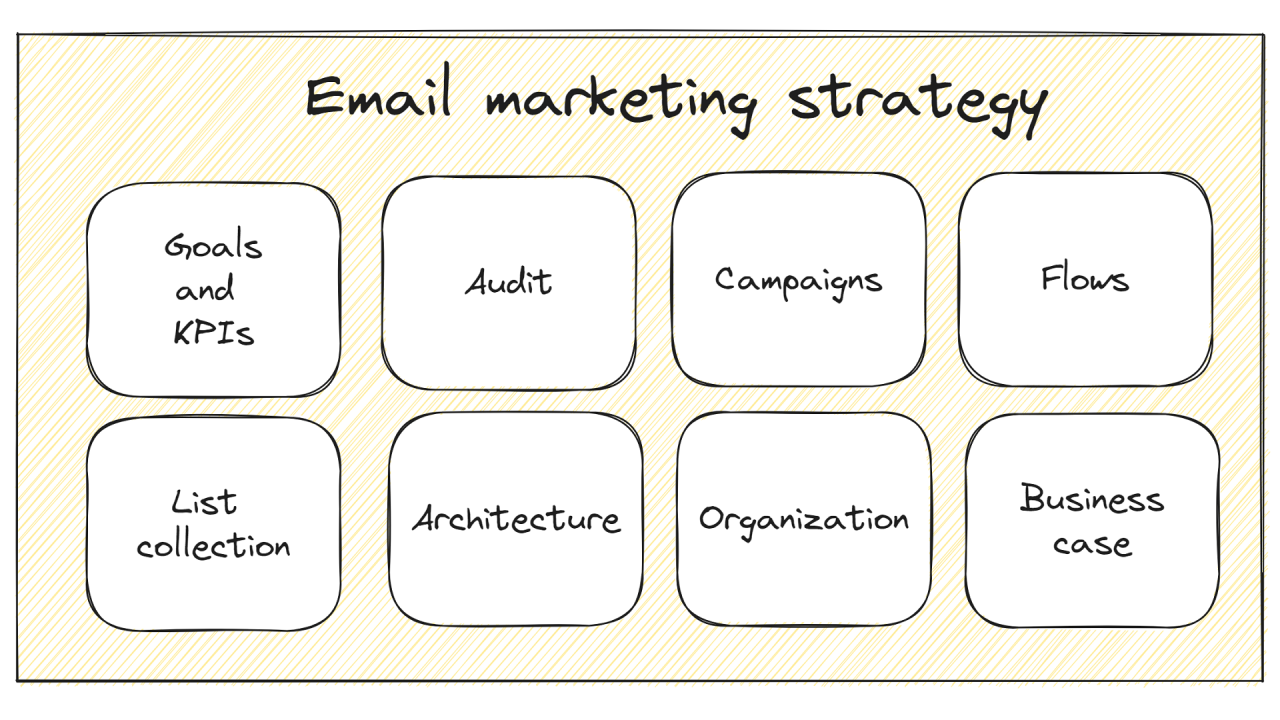
    Build a High-Quality Email List:

    • Collect email addresses ethically through website forms, contests, and social media promotions.
    • Regularly clean your list to remove inactive subscribers.

    Create Compelling Content:

    • Craft engaging subject lines: Make them short, intriguing, and relevant to your audience.
    • Write clear and concise copy: Use a conversational tone and focus on providing value to your subscribers.
    • Use visuals: Incorporate high-quality images and videos to enhance your emails.

    Personalize Your Messages:

    • Use subscriber names and personalize content based on their interests and behavior.
    • Segment your email lists to deliver targeted messages.

    Mobile Optimization:

    • Ensure your emails are responsive and display correctly on all devices.

    A/B Testing:

    • Experiment with different subject lines, call-to-actions, and email designs to optimize your campaigns.

    Compliance with Regulations:

    • Adhere to anti-spam laws like CAN-SPAM and GDPR.
    • Always provide an unsubscribe option.
  • How to Provide Excellent Customer Service?

    How to Provide Excellent Customer Service?

    Providing excellent customer service is essential for any business that wants to succeed. It can build customer loyalty, increase repeat business, and even attract new customers through positive word-of-mouth. Here are some key tips to help you provide excellent customer service:

    1. Understand Your Customers’ Needs:
      • Empathy: Put yourself in your customers’ shoes. Try to understand their problems, frustrations, and expectations.
      • Active Listening: Pay close attention to what your customers are saying, both verbally and nonverbally. Ask clarifying questions to ensure you understand their needs.
      • Personalized Service: Tailor your service to each individual customer. Use their name, acknowledge their past interactions, and offer solutions that address their specific situation.
    2. Exceed Expectations:
      • Proactive Approach: Anticipate your customers’ needs and offer solutions before they even ask.
      • Go the Extra Mile: Be willing to go above and beyond to resolve issues and satisfy customers.
      • Surprise and Delight: Find unexpected ways to make your customers feel valued and appreciated.
    3. Communicate Effectively:
      • Clear and Concise: Use simple language and avoid jargon. Be direct and to the point.
      • Active Communication: Keep your customers informed throughout the process, especially when there are delays or issues.
      • Multiple Channels: Offer various communication channels, such as phone, email, chat, and social media, to accommodate different customer preferences.
    4. Resolve Issues Promptly and Professionally:
      • Ownership: Take responsibility for resolving issues, even if they are not your fault.
      • Empowerment: Give your customer service representatives the authority to make decisions and resolve issues quickly.
      • Follow Up: After resolving an issue, follow up with the customer to ensure they are satisfied.
    5. Build Relationships:
      • Personalization: Get to know your regular customers and build rapport.
      • Loyalty Programs: Reward loyal customers with exclusive benefits and discounts.
      • Feedback: Encourage customer feedback and use it to improve your service.
    6. Create a Positive Environment:
      • Teamwork: Foster a collaborative and supportive team environment.
      • Empowerment: Empower your employees to make decisions and provide excellent service.
      • Recognition: Recognize and reward employees who provide exceptional customer service.

    By following these tips, you can create a positive customer experience that will keep your customers coming back for more.