HOME » Page 16

Blog

  • Large language model general understanding

    Large language model general understanding

    What are LLMs?

    LLMs are a type of artificial intelligence (AI) that use deep learning techniques to process and understand natural language. They’re trained on massive amounts of text data, enabling them to perform various tasks like:

    • Generating text: They can create human-quality writing, including poems, code, scripts, musical pieces, emails, letters, etc.
    • Understanding text: They can analyze sentiment, summarize information, answer questions, and translate languages.
    • Predicting text: They can suggest words or phrases to complete sentences, and anticipate the next element in a sequence.

    What makes them “large”?

    Regular language models use limited data and parameters, while LLMs boast billions or even trillions of parameters and are trained on vast datasets encompassing books, articles, code, and online conversations. This scale allows them to learn complex relationships within language and achieve impressive capabilities.

    How do they work?

    LLMs often rely on the Transformer architecture, a deep learning model adept at understanding long-range dependencies in text. By processing large amounts of data, they learn statistical patterns and probabilities associated with words and their relationships. When used, they access this knowledge to generate or understand new text based on the given context.

    Applications of LLMs

    LLMs have diverse applications across various fields:

    • Search engines: They can improve search results and ranking algorithms by understanding user intent and query nuances.
    • Chatbots: They can power conversational AI that interacts with users in a more natural and engaging way.
    • Machine translation: They can translate languages with higher accuracy and fluency.
    • Content creation: They can assist writers, artists, and musicians with generating creative content.
    • Scientific research: They can analyze complex scientific texts and discover new insights.

    Limitations and considerations

    It’s important to understand that LLMs are still under development and have limitations:

    • Bias: Trained on massive datasets, they can inherit and amplify biases present in that data.
    • Factual accuracy: While good at understanding language, they may not always provide factual information.
    • Interpretability: Their inner workings can be complex and difficult to understand, making it challenging to explain their decisions or outputs.

    Despite these limitations, LLMs are continuously evolving and hold immense potential for various applications. They can be powerful tools for communication, creativity, and information processing, but it’s crucial to use them responsibly and be aware of their limitations.

  • How do AI systems learn?

    How do AI systems learn?

    There are three main ways AI systems learn:

    1. Supervised learning: This is the most common type of learning, where an AI system is trained on a labeled dataset. Each data point has an input and a corresponding output (the “label”). The AI system learns to map the input to the output by adjusting its internal parameters. Imagine training a dog to sit. You give the dog the command “sit” (input) and then physically push it into a sitting position (output). Eventually, the dog learns to associate the command with the action without needing physical assistance.

    2. Unsupervised learning: Here, the AI system is given a dataset without any labels. It must identify patterns and relationships within the data on its own. This can be useful for tasks like clustering (grouping similar data points) or dimensionality reduction (compressing complex data into a simpler form). Think of a child learning to speak. They are exposed to spoken language (unlabeled data) and gradually learn to identify words, grammar, and meaning based on patterns and context.

    3. Reinforcement learning: In this approach, the AI system learns by interacting with an environment and receiving rewards or penalties for its actions. The system tries to maximize its rewards by adjusting its behavior over time. This is how AI agents learn to play games like chess or Go. They play against themselves or other agents, receive feedback on their moves (win/loss), and gradually refine their strategies based on those results.

    Here are some additional details about each type of learning:

    • Supervised learning: Requires a lot of labeled data, which can be expensive and time-consuming to collect. Can be prone to overfitting, where the model performs well on the training data but poorly on new data.
    • Unsupervised learning: More flexible and doesn’t require labeled data. However, it can be difficult to interpret what the model has learned and how it will generalize to new data.
    • Reinforcement learning: Can be effective for tasks where there is no clear right or wrong answer. However, it can be slow and expensive to train, and the results can be unpredictable.

    Ultimately, the best approach for training an AI system depends on the specific task and the available data. Often, a combination of different learning methods is used to achieve the best results.

  • Email marketing vs Social Media advertising

    Email marketing vs Social Media advertising

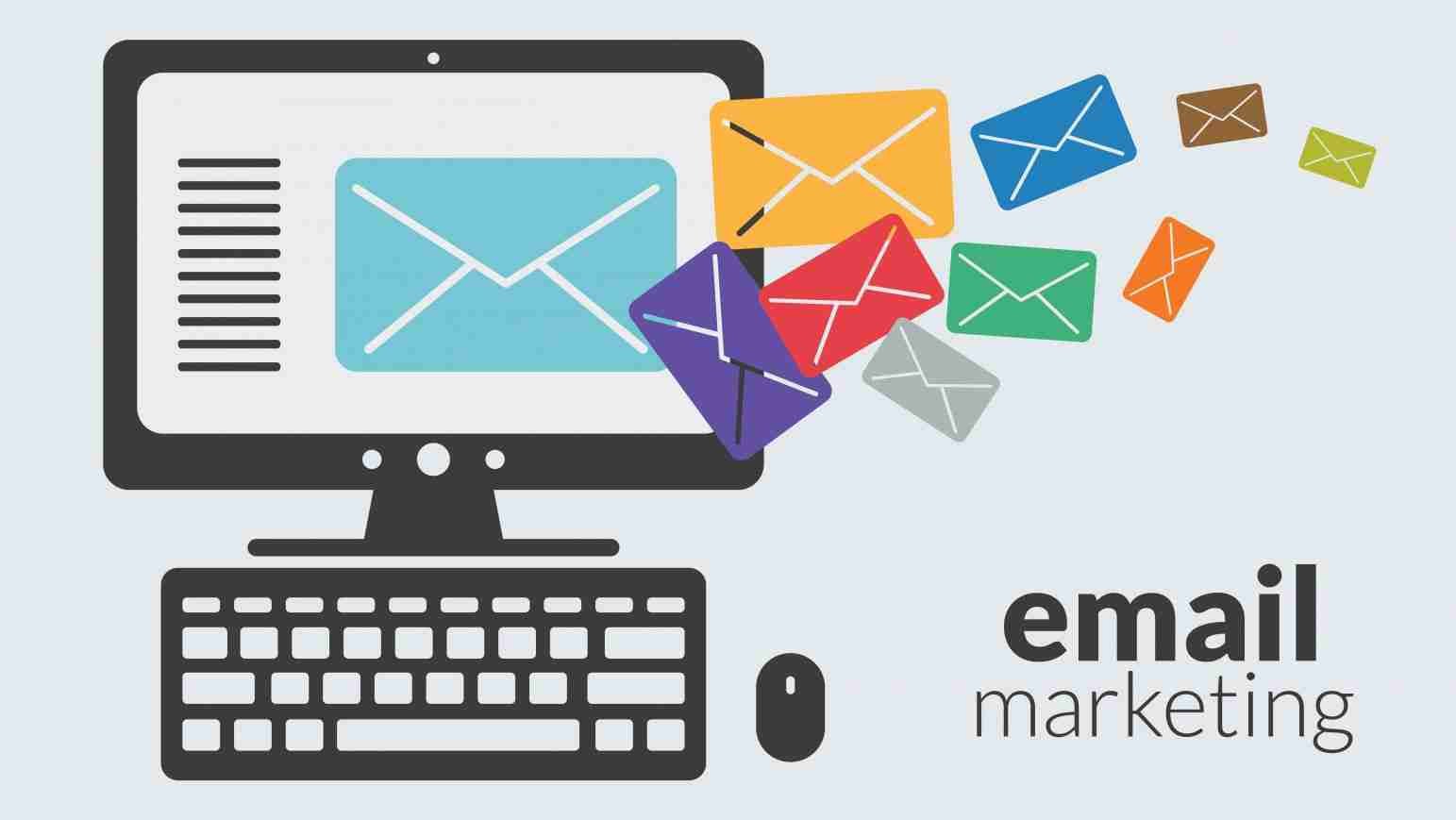
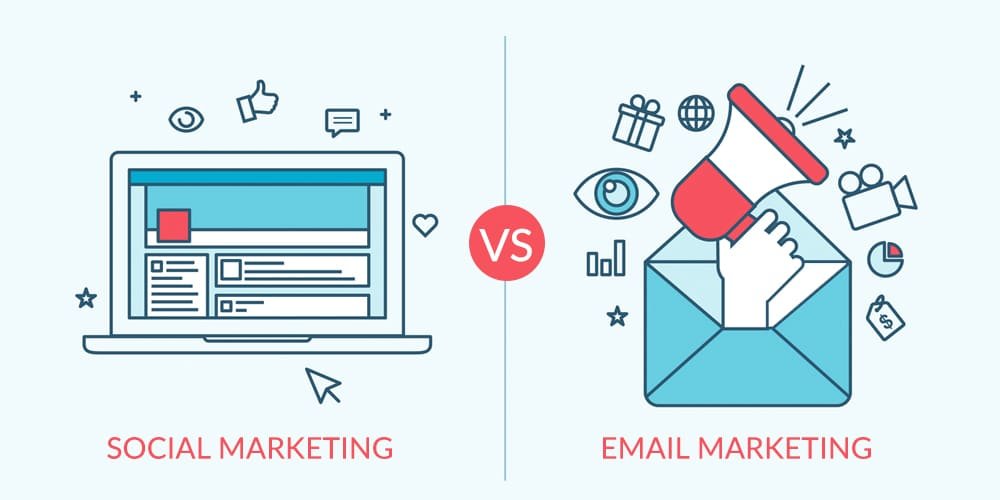
    Choosing between email marketing and social media advertising depends on your specific goals and target audience. Here’s a breakdown of their key differences to help you decide:

    Reach:

    • Email marketing: More targeted, personalized approach. Focuses on existing customers or opt-in subscribers, offering deeper engagement with a potentially smaller audience.
    • Social media advertising: Broader reach, allowing you to target new audiences based on demographics, interests, and behaviors. Potential for viral reach but engagement might be lower.

    Cost:

    • Email marketing: Generally more cost-effective, especially for nurturing existing leads. Costs primarily involve email marketing software and campaign design.
    • Social media advertising: Can be cost-effective if targeted efficiently, but budgets can quickly climb depending on platform, targeting options, and desired reach.

    Engagement:

    • Email marketing: Higher click-through rates and conversion rates compared to social media. Allows for personalized content and direct communication.
    • Social media advertising: Encourages brand awareness, community building, and real-time interactions. Suitable for generating leads and driving traffic to your website.

    Content format:

    • Email marketing: Primarily text-based with the option for images and limited video. Focuses on delivering targeted offers and information.
    • Social media advertising: Diverse formats like images, videos, stories, and live streams. Ideal for creative storytelling and brand building.

    Metrics:

    • Email marketing: Open rates, click-through rates, conversion rates, unsubscribes.
    • Social media advertising: Impressions, reach, engagement (likes, shares, comments), clicks, conversions.

    Here are some additional factors to consider:

    • Target audience: Are they more likely to check their email regularly or be active on social media?
    • Campaign goals: Are you aiming for direct sales, brand awareness, lead generation, or community building?
    • Resources: Do you have the time and budget to manage both channels effectively?

    Ultimately, the best approach might be a combination of both:

    • Use email marketing to nurture existing leads and convert them into customers.
    • Use social media advertising to reach new audiences, build brand awareness, and drive traffic to your website.
  • Various ways AI is being used in Email Marketing

    Various ways AI is being used in Email Marketing

    AI is rapidly transforming the landscape of email marketing, offering powerful tools to craft more engaging and effective campaigns. Here are some of the key ways AI is being used:

    Personalization:

    • Content: AI analyzes subscriber data, purchase history, and website interactions to suggest relevant products, discounts, and content for each individual.
    • Subject lines: AI generates personalized subject lines based on subscriber preferences and past behavior, improving open rates.
    • Email timing: AI predicts the optimal time for each subscriber to receive an email for maximum engagement.

    Content creation:

    • Copywriting: AI helps draft compelling email copy by suggesting engaging language, relevant keywords, and optimizing structure for different audiences.
    • Product recommendations: AI suggests personalized product recommendations based on individual preferences and buying habits.
    • Dynamic content: AI populates email templates with personalized product images, offers, and text snippets in real-time.

    Automation:

    • Triggered emails: AI triggers automated email sequences based on specific subscriber actions, like abandoned carts, welcome messages, or purchase confirmations.
    • List segmentation: AI automatically segments email lists based on demographics, interests, and behavior, ensuring targeted campaigns.
    • A/B testing: AI automates A/B testing of different subject lines, content variations, and send times to optimize campaign performance.

    Analytics and optimization:

    • Predictive analytics: AI analyzes data to predict subscriber behavior, churn risk, and potential purchases, allowing for proactive engagement.
    • Real-time insights: AI dashboards provide real-time data on campaign performance, allowing for adjustments and optimization on the fly.
    • Spam filtering: AI helps avoid spam folders by analyzing send time, content, and reputation to ensure emails reach inboxes.

    Additional benefits:

    • Accessibility: AI-powered email creation tools help with writer’s block and save time for marketers.
    • Creativity: AI can suggest new content ideas and approaches, sparking innovation in email campaigns.
    • Scalability: AI can handle large email lists and automate tasks, making it efficient for growing businesses.

    Remember, AI is a powerful tool, but it’s crucial to use it ethically and responsibly. Prioritize human oversight, transparency, and user privacy to ensure your email marketing remains effective and trustworthy.

  • What is a full-service go-to email marketing agency?

    What is a full-service go-to email marketing agency?

    A full-service go-to email marketing agency is your one-stop shop for everything related to building and running successful email marketing campaigns. They handle all aspects of the process, from strategy and planning to design, content creation, implementation, and analysis. Essentially, they take the entire email marketing burden off your shoulders and handle it with expertise.

    Here’s what a full-service go-to email marketing agency typically offers:

    Strategy and Planning:

    • Analyze your target audience and goals
    • Develop an email marketing strategy aligned with your overall marketing objectives
    • Recommend the right email service provider (ESP) based on your needs
    • Create campaign calendars and workflows

    Design and Content Creation:

    • Design visually appealing and engaging email templates
    • Write compelling email copy that resonates with your audience
    • Develop personalized content based on subscriber data
    • Create A/B tests to optimize performance

    Implementation and Management:

    • Build and segment your email subscriber list
    • Set up automated email campaigns
    • Implement deliverability best practices to ensure emails reach inboxes
    • Monitor and manage campaign performance

    Analysis and Reporting:

    • Track key metrics like open rates, click-through rates, and conversions
    • Provide detailed reports and insights into campaign performance
    • Analyze data and recommend improvements for future campaigns

    Additional Services:

    • Some agencies offer additional services like list cleaning, data analysis, and integration with other marketing channels.

    Benefits of a Go-to Email Marketing Agency:

    • Expertise: Leverage the agency’s team of email marketing experts to maximize your results.
    • Time Saving: Focus on your core business while the agency handles the email marketing.
    • Scalability: Easily scale your email marketing efforts as your business grows.
    • Improved Performance: Benefit from the agency’s proven strategies and tactics.
    • Data-Driven Decisions: Make informed decisions based on detailed campaign insights.

    Choosing the Right Agency:

    When choosing a full-service go-to email marketing agency, consider your needs, budget, and industry. Look for an agency with a proven track record, a strong understanding of your industry, and a transparent pricing structure.

  • What are local citations?

    What are local citations?

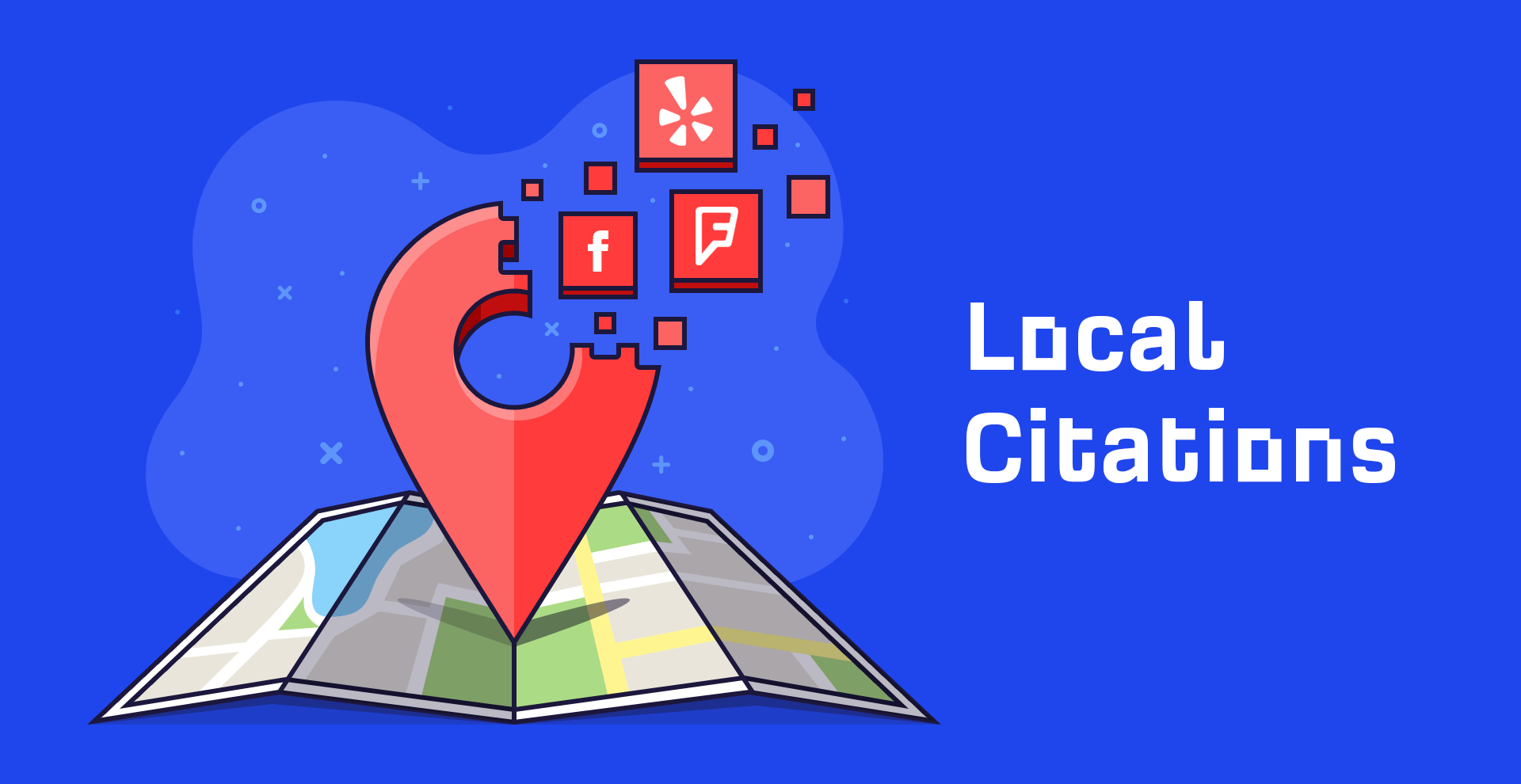
    A local citation is any online mention of your business’s name, address, and phone number (NAP). These citations can be found on business directories, websites, and apps like Yelp or Yellow Pages. They’re like digital footprints that help people find your business online and establish its legitimacy.

    Here are some of the benefits of having strong local citations:

    • Increased visibility in local search results: When people search for businesses like yours online, Google and other search engines use local citations to determine which businesses to show in the results. The more citations you have, the more likely you are to appear in relevant searches.
    • Improved local SEO: Local citations are a key factor in local SEO, which is the practice of optimizing your online presence to attract more local customers. By building strong local citations, you can improve your ranking in local search results and get more leads from potential customers.
    • Increased brand awareness: When your business is listed in multiple places online, it helps to build brand awareness and make your business more recognizable to potential customers.

    Local citations examples

    There are two main types of local citations:

    • Structured citations: These are listings of your business on directories and websites that are specifically designed for business listings. Examples include Google My Business, Yelp, Bing Places, and Apple Maps.
    • Unstructured citations: These are mentions of your business on websites and apps that are not specifically designed for business listings. Examples include online news articles, reviews, and blog posts.

    It’s important to have a mix of both structured and unstructured citations. Structured citations are important for building trust and authority with search engines, while unstructured citations can help to increase brand awareness and reach a wider audience.

    Here are some tips for building strong local citations:

    • Claim and complete your profiles on all major local directories.
    • Encourage customers to leave reviews on your online listings.
    • Get listed in industry-specific directories and websites.
    • Build relationships with local websites and bloggers and ask them to mention your business.
    • Use consistent NAP information across all of your online listings.
  • How to build your brand and generate demand on LinkedIn?

    How to build your brand and generate demand on LinkedIn?

    Building a strong brand and generating demand on LinkedIn requires a two-pronged approach: establishing yourself as a thought leader and engaging with your target audience. Here are some key strategies to consider:

    Building your brand:

    • Define your niche and target audience: Who are you trying to reach with your message? What are their pain points and interests? Tailoring your content to their specific needs is crucial.
    • Showcase your expertise: Share insights, industry news, and original thought leadership content. Publish articles, participate in relevant discussions, and answer questions in groups.
    • Optimize your profile and company page: Ensure your profile and company page are visually appealing, informative, and keyword-rich for discoverability.
    • Engage with the community: Like, comment, and share other users’ content. Participate in discussions, polls, and events relevant to your niche.
    • Leverage LinkedIn Stories and Live features: Offer behind-the-scenes glimpses, host Q&A sessions, or share industry updates in a more personal and dynamic format.
    • Network and build relationships: Connect with individuals and companies in your industry. Join relevant groups and participate in discussions.

    Generating demand:

    • Create valuable content: Share content that educates, entertains, or inspires your target audience. Use a mix of formats like articles, infographics, videos, and presentations.
    • Utilize LinkedIn Pulse: Publish articles on LinkedIn Pulse to reach a wider audience and establish yourself as a thought leader.
    • Run targeted ads: Paid advertising can help you reach a specific audience with your message and drive website visits, leads, or conversions.
    • Offer free resources: Provide valuable resources like ebooks, webinars, or templates in exchange for contact information.
    • Highlight client testimonials and case studies: Showcase the success of your work to build trust and credibility.
    • Run contests and giveaways: Generate excitement and engagement with interactive campaigns that offer incentives.
    • Track your results and adapt: Regularly analyze your data to see what content resonates with your audience and adjust your strategy accordingly.

    Additional tips:

    • Be authentic and personal: Let your personality shine through in your content and interactions.
    • Be consistent: Regularly publish content and engage with the community to stay top-of-mind.
    • Be patient: Building a strong brand and generating demand takes time and effort.

    Remember, LinkedIn is a powerful tool for professional networking and brand building. By implementing these strategies, you can effectively reach your target audience, establish yourself as an expert, and ultimately generate demand for your offerings.

  • How to create winning email campaigns?

    How to create winning email campaigns?

    Creating winning email campaigns goes beyond crafting stellar individual emails. It’s about having a strategic plan and optimizing every step of the campaign lifecycle. Here’s a breakdown of key elements:

    Planning & Strategy:

    1. Define Goals & Target Audience: What do you want to achieve (conversions, brand awareness, etc.)? Who are you targeting (demographics, interests, etc.)? Aligning these is crucial.

    2. Segment Your List: Group subscribers based on shared characteristics for tailored content and improved engagement.

    3. Develop Compelling Content: Craft valuable, engaging content that resonates with your audience. Consider storytelling, data-driven insights, or exclusive offers.

    4. Design with Impact: Design visually appealing emails with clear structure, mobile optimization, and on-brand elements.

    5. Opt for Automation: Utilize email marketing tools to automate email sending, A/B testing, and personalized elements for efficiency and effectiveness.

    Execution & Optimization:

    6. Perfect Your Subject Lines: Short, clear, and engaging subject lines are crucial for open rates. Personalize, use intrigue, and avoid spam triggers.

    7. Optimize Send Times: Research peak open times for your audience and time zones. Consider using AI-powered tools for optimal scheduling.

    8. Track & Analyze Performance: Monitor key metrics like open rates, click-through rates, and conversions. Use data to understand what works and iterate your campaigns.

    9. Segment for Dynamic Content: Leverage segmentation to personalize email content based on recipient details and past interactions.

    10. A/B Test Consistently: Test different subject lines, CTAs, designs, and sending times to identify what resonates best with your audience.

    Additional Tips:

    • Maintain Clean Email Lists: Regularly remove inactive subscribers to improve deliverability and engagement.
    • Follow Anti-Spam Best Practices: Adhere to CAN-SPAM regulations and avoid spammy tactics to maintain sender reputation.
    • Offer Value & Build Relationships: Focus on providing value beyond just selling. Share industry insights, tips, or resources to build trust and loyalty.
    • Nurture Leads with Drip Campaigns: Automate email sequences to educate, engage, and guide leads through the sales funnel.
    • Stay Compliant with Data Privacy Regulations: Understand and comply with relevant data privacy regulations like GDPR and CCPA.

    By adhering to these principles and tailoring them to your specific goals and audience, you’ll be well-equipped to create winning email campaigns that drive real results. Remember, successful email marketing is an ongoing process of refinement and optimization based on data and continuous learning.

  • The Ultimate Cold Email Checklist for B2B Success

    The Ultimate Cold Email Checklist for B2B Success

    The Ultimate Cold Email Checklist for B2B Success

    Crafting captivating cold emails that convert requires meticulous planning and execution. This checklist guides you through the essential steps to ensure your B2B cold emails make a splash and land in the right inboxes.

    https://www.smartlead.ai/blog/cold-email-checklist

  • Murphy’s Law in Business

    Murphy’s Law in Business

    Whatever can go wrong, will go wrong

    Have you ever had one of those days when everything just seems to fall apart? Little things that can have a big impact on your day, like your alarm clock failing to ring in the morning or spilling coffee over your nice shirt right before a meeting with a client?

    Surely, these misfortunes have happened to everyone at least once. Just when you are getting ready for an important presentation, the computer starts updating.