HOME » Page 14

Blog

  • How to BOOST your email campaigns?

    How to BOOST your email campaigns?

    Firing up your email campaigns can be done through a strategic mix of content, audience targeting, and design optimization. Here are some key ways to boost your email marketing:

    Content is King (and Queen):

    • Storytelling: People connect with stories. Craft a narrative around your product or service that resonates with your audience.
    • Targeted Content: Segment your email list based on demographics or interests. This allows you to send highly relevant content that resonates with each recipient.
    • Personalization: It’s a small touch, but a big win. Use subscribers’ names and tailor content to their purchase history or browsing behavior.

    Subject Line Savvy:

    • Clarity is key: Make sure your subject line accurately reflects the email content.
    • Keep it concise: Aim for under 50 characters to avoid truncation on mobile devices.
    • Intrigue and Urgency: Use strong verbs and a sense of urgency or exclusivity to entice users to click.

    Design Decisions:

    • A/B Testing: Test different versions of your email design, subject lines, and CTAs (calls to action) to see what resonates best with your audience.
    • Mobile-Friendly: Ensure your emails are responsive and display well on all devices, especially smartphones.
    • Visual Appeal: Break up text with images, infographics, or videos to keep your audience engaged.

    Bonus Tip: Don’t forget the power of clean email lists. Regularly remove inactive subscribers to improve deliverability rates and keep your audience engaged.

    By implementing these strategies, you can craft email campaigns that capture attention, drive engagement, and ultimately boost your results.
  • How to write the first introduction email to a prospect?

    How to write the first introduction email to a prospect?

    Crafting an impactful first introduction email to a prospect requires a balance of personalization, value proposition, and a clear call to action. Here’s a breakdown of the key steps:

    1. Subject Line:

    • Intriguing and relevant: Grab the prospect’s attention with a subject line that sparks curiosity and relates to their needs or interests.
    • Avoid clickbait: While intriguing, avoid misleading or overly promotional language.

    2. Personalized Greeting:

    • Use the prospect’s name: Shows effort and respect.
    • Consider alternative greetings: If the name is unavailable, use “Dear [Title] [Last Name]” or “Dear [Company Name] Team.”

    3. Opening Line (Focus on the Prospect):

    • **Start with a hook: Mention something specific about the prospect, their company, or an industry trend to demonstrate your research and genuine interest.
    • Avoid generic statements: “I hope this email finds you well” is impersonal and forgettable.

    4. Introduce Yourself and Your Value Proposition:

    • Who you are and what you do: Briefly introduce yourself, your company, and your role.
    • Highlight your value: Briefly explain how your product or service can address the prospect’s specific needs or challenges.
    • Keep it concise: Aim for 2-3 sentences.

    5. Offer Value (Optional):

    • Go beyond the introduction: If appropriate, offer a free consultation, case study, or valuable resource relevant to the prospect’s interests.

    6. Clear Call to Action (CTA):

    • Tell the prospect what you want: Invite them for a call, suggest a meeting, or propose another relevant action.
    • Make it easy: Include a link to your calendar or suggest specific times for a call.

    7. Closing and Signature:

    • Thank the prospect for their time and consideration.
    • Include your contact information: Phone number, email address, and website (if applicable).
    • Maintain a professional signature: Include your full name, title, and company name.

    Bonus Tips:

    • Keep it concise: Aim for 3-4 short paragraphs.
    • Proofread carefully: Typos and grammatical errors create a negative impression.
    • Personalize as much as possible: Tailor the email content to the specific prospect and their company.

    By following these steps and adding your own unique touch, you can craft an introduction email that captures the prospect’s attention, establishes your value proposition, and encourages them to take the next step.

  • March 2024 update for Cold Email Marketing

    March 2024 update for Cold Email Marketing

    The March 2024 update brought significant changes to cold email marketing, emphasizing email security, user experience, and spam prevention, particularly for bulk senders (those exceeding 5,000 emails per day to Gmail and Yahoo addresses). Here’s a summary of the key points:

    New Requirements:

    • Authentication: Emails must be authenticated using SPF, DKIM, or DMARC records. These verify the sender’s identity and prevent spoofing or phishing. Without proper authentication, emails are more likely to be rejected or marked as spam.
    • One-Click Unsubscribe: All marketing emails must include a clear and easily accessible one-click unsubscribe option. Businesses must process these requests within 48 hours.
    • Low Spam Threshold: Google maintains a strict 0.3% spam threshold. Sending emails that consistently trigger spam filters will significantly impact deliverability.

    Impact and what to do:

    • High-volume senders: If you send over 5,000 emails daily, ensure you comply with the new authentication standards. Consider consulting an email marketing professional for assistance.
    • All senders: Regardless of volume, prioritize building trust and providing value in your emails. Personalize your outreach, offer genuine solutions, and respect the one-click unsubscribe option.
    • Focus on quality: Prioritize building a targeted email list with individuals who might genuinely benefit from your offering. This reduces the risk of triggering spam filters and improves engagement.

    Remember, these updates aim to create a better email experience for users. By adapting your strategy to prioritize legitimacy, value, and respect, you can ensure your cold email marketing remains effective in the current landscape.

  • How to optimize your landing pages?

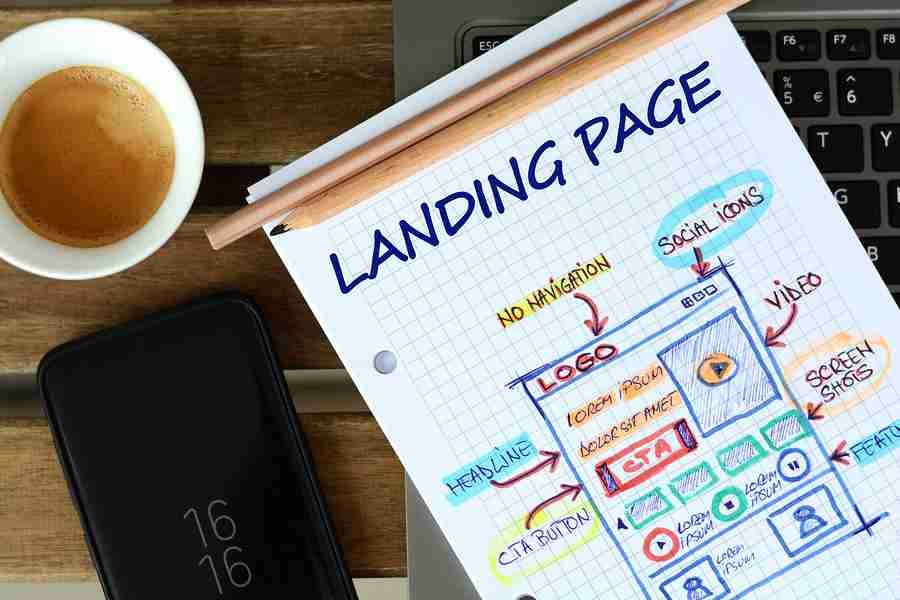
    How to optimize your landing pages?

    Landing page optimization is an ongoing process that involves refining your page to maximize conversions, which could be anything from signing up for a newsletter to making a purchase. Here are some key steps to get you started:

    1. Identify and Address Issues:

    • Analyze your landing page data: Look for areas with high bounce rates, low conversion rates, and any technical issues. Tools like heatmaps can help visualize user behavior and identify potential pain points.

    2. Focus on User Experience:

    • Clarity and Relevance: Ensure your headline clearly conveys the offered value proposition, and the content aligns with the ad or email that brought the user to the page.
    • Mobile-friendliness: Make sure your landing page is responsive and displays well on all devices.
    • Simple and Clean Design: Avoid clutter and overwhelming visuals. Use white space effectively to guide the user’s eye and prioritize essential information.

    3. Compelling Content:

    • Benefit-driven copy: Focus on the benefits users will gain from your offer, not just features. Speak directly to their pain points and how your product or service solves them.
    • Strong visuals: Use high-quality images or videos that are relevant to your message and resonate with your target audience.
    • Clear call to action (CTA): Tell users what you want them to do with a clear and concise CTA button. Make it visually distinct and easy to find.

    4. A/B Testing and Optimization:

    • Test different elements: Headline variations, image choices, and CTA wording can all significantly impact conversion rates. Run A/B tests to compare different versions and see what resonates best with your audience.
    • Continuously iterate: Landing page optimization is a continuous process. Based on your data and testing results, keep refining your page to improve user experience and conversion rates.

    Remember, the key to successful landing page optimization is to constantly test, analyze, and improve based on user behavior and data.

  • B2B Email Marketing

    B2B Email Marketing

    B2B email marketing is a powerful tool for businesses to reach out to other businesses and generate leads, sales, and build long-term client relationships. Here’s a breakdown of what it is and how it works:

    What it is:

    • B2B stands for “business-to-business.” So, B2B email marketing uses email to target and connect with other companies, promoting products or services that would benefit their operations.
    • Unlike B2C (business-to-consumer) marketing, which might focus on individual needs and desires, B2B marketing addresses the challenges and goals of entire organizations.

    Why it’s effective:

    • Email is a direct and measurable channel. You can track open rates, click-through rates, and conversions to gauge the success of your campaigns.
    • B2B email marketing allows for targeted communication. You can segment your email list based on industry, company size, or specific needs, and send highly relevant messages.
    • It’s cost-effective. Compared to other marketing channels, email marketing offers a high return on investment (ROI).

    Key strategies:

    • Building your email list: You’ll need a targeted list of businesses to reach. This can be built through website opt-in forms, lead magnets (like e-books or webinars), and industry events.
    • Crafting valuable content: B2B emails should provide insights, solve problems, or educate recipients. Focus on offering something of value, not just a sales pitch.
    • Segmentation and personalization: Segment your email list to send targeted messages based on recipient interests. Use personalization to make emails more relevant.
    • Automation: Use email marketing platforms to automate email sequences based on user behavior. This can nurture leads and improve engagement.
    • Analytics and optimization: Track your email campaign results and make adjustments to improve open rates, click-through rates, and conversions.

    By following these strategies, you can leverage B2B email marketing to reach the right businesses, build relationships, and ultimately drive sales for your company.

    For further information you can search for “https://zapier.com/resources/guides/automation-for-small-businesses/email-marketing“.

  • How to optimize your prospect list?

    How to optimize your prospect list?

    Optimizing your prospect list is crucial for maximizing your outreach efforts and achieving sales success. Here are some key strategies to consider:

    1. Define your Ideal Customer Profile (ICP):

    • Before targeting anyone, create a clear picture of your ideal customer. This includes characteristics like firmographics (company size, industry, location) and demographics (job title, years of experience). Analyze your existing successful customers to build this profile.

    2. Enrich your list with data:

    • Go beyond basic contact information. Look for details like recent company news, industry trends, and individual buying behaviors. This can be found through business directories, social media profiles, and news articles.

    3. Leverage technology:

    • Utilize CRM (Customer Relationship Management) and sales automation software to manage your list efficiently. These tools can help with data storage, segmentation, and personalized outreach.

    4. Tap into social media and online networks:

    • Use platforms like LinkedIn to search for individuals matching your ICP. Join relevant industry groups and participate in discussions to build connections and identify potential leads.

    5. Regularly update and clean your list:

    • Information gets outdated quickly. Regularly remove invalid emails, update addresses, and remove irrelevant contacts. This ensures you’re reaching the right people and maintains good email deliverability.

    Bonus Tip:

    • Consider lead scoring: Assign points to each prospect based on their fit with your ICP and engagement levels. This helps prioritize your outreach and focus on the most promising leads first.

    By implementing these strategies, you can optimize your prospect list, increase the effectiveness of your outreach, and ultimately close more deals.

  • How do you effectively communicate with remote freelancers?

    How do you effectively communicate with remote freelancers?

    Effective communication is crucial when working with remote freelancers. Here are some key strategies to ensure a smooth and productive collaboration:

    1. Establish clear communication channels:

    • Discuss preferred methods: At the start, talk about their preferred communication methods (email, instant messaging, video calls, etc.) and agree on a primary tool for regular communication.
    • Be readily available: While respecting their boundaries, aim for reasonable response times within agreed-upon hours.

    2. Set expectations and boundaries:

    • Project details: Clearly define project goals, deadlines, deliverables, revision policies, and communication expectations upfront. This helps avoid misunderstandings and ensures everyone is on the same page.
    • Availability and boundaries: Discuss their work schedule and preferred hours for communication. Respect their time by sticking to those boundaries and scheduling meetings beforehand.

    3. Encourage regular communication:

    • Schedule regular check-ins: Set up regular meetings (weekly, bi-weekly) to discuss progress, answer questions, and provide feedback.
    • Be proactive: Don’t wait for them to reach out. Proactively update them on any project changes, answer their questions in a timely manner, and keep them informed.

    4. Foster a collaborative environment:

    • Build rapport: Take the time to get to know your freelancers as individuals. This can be done through casual conversations during calls or by acknowledging their work and contributions.
    • Provide clear instructions and feedback: Be specific and detailed in your instructions, expectations, and feedback. Use visual aids like mockups, wireframes, or examples whenever possible.
    • Be open to feedback: Encourage freelancers to share their ideas and concerns. Listen actively and be open to their input, as it can improve the project’s outcome.

    5. Utilize project management tools:

    • Centralized communication: Consider using project management tools that allow for document sharing, task tracking, and centralized communication, keeping everyone in the loop.
    • File sharing and feedback: Utilize cloud storage platforms to share files securely and provide feedback directly on documents or deliverables.

    By following these strategies, you can build strong communication channels with your remote freelancers, fostering a productive and collaborative working relationship.

  • Some effective ways to capture leads using various tools

    Some effective ways to capture leads using various tools

    Landing Pages:

    • Create dedicated landing pages tailored to specific campaigns or offers. Ensure they have a clear value proposition and a strong call to action (CTA) that tells visitors exactly what you want them to do (e.g., “Download our eBook” or “Sign up for our free trial”).
    • Optimize the design for clarity and user experience. Use high-quality visuals and concise, persuasive copy.
    • Minimize the number of form fields and only ask for essential information. Long forms can deter visitors from completing them.

    Surveys:

    • Use surveys to gather specific information about your audience’s needs and interests. This helps you tailor your marketing messages and offerings more effectively.
    • Keep surveys short and engaging. Ask clear and concise questions, and use a variety of question types to maintain interest.
    • Offer an incentive for completing the survey, such as a discount or entry into a prize draw.
    • Embed surveys within landing pages to further qualify leads while they are already engaged.

    Forms:

    • Use forms for various purposes, such as newsletter signups, event registrations, or collecting feedback.
    • Design user-friendly forms with clear labels and intuitive navigation.
    • Validate user input to ensure accuracy and prevent errors.
    • Consider using conditional logic to display different form fields based on user responses, making the process more personalized.

    Calendars:

    • Integrate a booking calendar into your website or landing pages to allow visitors to schedule appointments, consultations, or demos directly. This eliminates back-and-forth emails and streamlines the process.
    • Utilize appointment reminders to ensure leads don’t forget their scheduled time.

    Additional Tips:

    • A/B test different elements of your lead capture strategy, such as headlines, CTAs, form layouts, and landing page designs. This helps you identify what resonates most with your audience and optimize your approach for better results.
    • Offer valuable incentives, such as free ebooks, webinars, or discounts, in exchange for contact information. This motivates visitors to take action.
    • Leverage exit-intent popups to capture leads who are about to leave your website. Offer a compelling reason for them to stay, like a last-minute discount or exclusive offer.

    By implementing these strategies and tools, you can effectively capture leads and grow your business. Remember to always comply with relevant data privacy regulations when collecting and using personal information.

  • Email Marketing for Public Speakers

    Email Marketing for Public Speakers

    Email Marketing for Public Speakers: Amplify Your Voice and Reach

    As a public speaker, your voice has the power to inspire and educate. Email marketing helps you amplify that voice, connect with your audience, and grow your platform. Here’s your guide to using email effectively:

    Benefits:

    • Build Relationships: Nurture connections with past attendees and attract new ones.
    • Promote Events: Announce upcoming talks, workshops, and conferences.
    • Share Valuable Content: Offer insights, tips, and behind-the-scenes glimpses.
    • Sell Products & Services: Promote your books, courses, or coaching programs.
    • Build Authority: Establish yourself as a thought leader in your field.

    Key Strategies:

    • Build Your List: Offer valuable content like free e-books or cheat sheets in exchange for email addresses.
    • Segment Your Audience: Cater your message to different groups based on interests and needs.
    • Personalize Your Emails: Use names, past event attendance, and interests to make them feel valued.
    • Craft Compelling Subject Lines: Grab attention and entice people to open your emails.
    • Create Engaging Content: Share stories, insights, and actionable tips.
    • Include Calls to Action: Tell people what you want them to do, whether it’s registering for an event or buying your book.
    • Run Automated Sequences: Welcome new subscribers, nurture leads, and remind people about upcoming events.
    • Track and Analyze Results: See what’s working and what’s not, and adapt your strategy accordingly.

    Campaign Ideas:

    • Pre-Event Hype: Build excitement by sharing snippets of your talk or interviews you’ve given.
    • Post-Event Follow-Up: Thank attendees, share key takeaways, and offer exclusive content.
    • Weekly Inspiration: Send short, motivational messages to keep your audience engaged.
    • Behind-the-Scenes Peeks: Offer exclusive glimpses into your life and work process.
    • Q&A Sessions: Encourage interaction and address common audience questions.

    Additional Tips:

    • Be authentic and passionate. Let your personality shine through in your emails.
    • Offer valuable content consistently. Don’t just sell, provide value first.
    • Respect your audience’s time. Keep your emails concise and avoid spamming.
    • Follow anti-spam regulations. Get consent before sending and offer easy unsubscribe options.

    Remember, email marketing is a powerful tool to connect with your audience and grow your influence. Use it strategically and authentically to make your voice heard and achieve your speaking goals.

  • Email Marketing for SaaS Companies: Your Guide to Success

    Email Marketing for SaaS Companies: Your Guide to Success

    Email marketing for SaaS Companies. Email Marketing remains a powerful tool for SaaS companies, offering high ROI and the ability to reach your target audience directly. Here’s what you need to know:

    What is it?

    SaaS email marketing involves using email to:

    • Acquire new customers: Lead nurturing campaigns, promotions, and free trials.
    • Engage existing customers: Product updates, newsletters, educational content.
    • Increase customer retention: Onboarding sequences, feature adoption campaigns, feedback surveys.
    • Drive product usage: Personalized recommendations, success stories, tips & tricks.

    Why is it important?

    • Targeted communication: Reach specific user segments with relevant messages.
    • Cost-effective: Compared to other marketing channels, email offers high ROI.
    • Scalable: Automate campaigns and personalize content for large audiences.
    • Measurable: Track open rates, click-through rates, and conversions.

    Key strategies:

    • Build a high-quality email list: Offer valuable content and opt-in forms.
    • Segment your audience: Tailor messages based on user behavior and interests.
    • Personalize your emails: Use dynamic content and address subscribers by name.
    • Craft compelling subject lines: Grab attention and encourage opens.
    • Design beautiful and user-friendly emails: Ensure readability and mobile responsiveness.
    • Automate email workflows: Trigger emails based on user actions and behavior.
    • A/B test different elements: Optimize your emails for better performance.
    • Track and analyze results: Measure key metrics and iterate your strategy.

    Additional resources:

    Remember:

    • Compliance: Always follow anti-spam regulations and obtain consent before sending emails.
    • Value: Provide valuable content and avoid being overly promotional.
    • Engagement: Encourage interaction through surveys, polls, and calls to action.
    • Data privacy: Respect user data and follow privacy regulations.

    By implementing these strategies, you can leverage email marketing to achieve your SaaS business goals and build lasting relationships with your customers.