HOME » Page 15

Blog

  • How to choose an email marketing platform?

    How to choose an email marketing platform?

    Choosing the right email marketing platform is crucial for your success, so it’s great you’re taking the time to consider your options! Here are some key steps to guide you:

    1. Define your needs:

    • Campaign goals: Do you want to nurture leads, promote products, or build brand awareness?
    • Audience size and engagement: How many subscribers do you have? Are they active?
    • Budget: How much are you willing to spend?
    • Essential features: Must-haves like email automation, segmentation, landing page creation, etc.
    • Integrations: Does it need to connect with other software you use?

    2. Research and shortlist platforms:

    • Popular options: Mailchimp, Constant Contact, ActiveCampaign, Klaviyo, Drip, AWeber.
    • Compare features and pricing based on your needs.
    • Read reviews and ask for recommendations.

    3. Evaluate shortlisted platforms:

    • Sign up for free trials: Most platforms offer limited free plans to test features.
    • Assess user interface and ease of use.
    • Test email building and automation tools.
    • Evaluate reporting and analytics options.
    • Consider customer support quality.

    4. Make your decision:

    • Select the platform that best aligns with your needs and budget.
    • Don’t be afraid to switch later if needed.

    Additional tips:

    • Look for platforms with a good reputation for deliverability.
    • Consider GDPR compliance, especially if you have EU subscribers.
    • Prioritize scalability as your email list grows.
    • Invest in platform training or resources to maximize your ROI.

    Here are some resources to help you compare platforms:

    Remember, the “best” platform depends on your specific needs and goals. By following these steps and considering your specific requirements, you’ll find the perfect tool to launch and grow your email marketing efforts!

  • How to write a deep blog copy?

    How to write a deep blog copy?

    Crafting deep blog copy that resonates with readers requires more than just stringing words together. It’s about diving beneath the surface and connecting with your audience on a meaningful level. Here are some key ingredients to help you bake a delicious (and thought-provoking) blog post:

    1. Understand your audience: Who are you writing for? What are their pain points, aspirations, and interests? Research your target audience and tailor your content to their specific needs and desires.

    2. Choose a topic that matters: Go beyond surface-level discussions. Pick a theme that allows for exploration, analysis, and fresh perspectives. Consider current events, industry trends, or timeless challenges related to your niche.

    3. Research diligently: Gather information from credible sources, including scientific studies, expert opinions, and personal narratives. Don’t shy away from opposing viewpoints; acknowledging them strengthens your own argument.

    4. Tell a story: Facts and figures are important, but stories make them stick. Use anecdotes, case studies, or even fictional scenarios to illustrate your points and engage readers emotionally.

    5. Inject your personality: Let your unique voice shine through. Your passion, humor, or thoughtful insights will make your content stand out and connect with readers on a personal level.

    6. Don’t be afraid to challenge: Don’t just regurgitate information, offer your own analysis and interpretations. Encourage critical thinking and spark constructive conversation in the comments section.

    7. Structure for clarity: Organize your ideas logically with a clear introduction, well-defined sections, and a satisfying conclusion. Use subheadings, visuals, and bullet points to break up text and improve readability.

    8. Optimize for SEO: While not the sole focus, using relevant keywords and meta descriptions helps your content reach a wider audience. But remember, prioritize human readers before search engines.

    9. Edit ruthlessly: Proofread for grammar errors, factual inaccuracies, and confusing phrasing. Don’t be afraid to cut unnecessary words and tighten your structure for maximum impact.

    10. Promote actively: Share your blog post on social media, relevant online communities, and email newsletters. Engage with readers in the comments and participate in discussions to build a loyal following.

    Bonus Tip: Encourage discussion by asking thoughtful questions throughout your post and inviting readers to share their own experiences or perspectives.

    Remember, writing deep blog copy is an iterative process. Experiment, analyze your results, and keep refining your approach to create content that truly resonates with your audience.

  • Email Marketing ROI: A Powerful Tool with High Returns

    Email Marketing ROI: A Powerful Tool with High Returns

    Email marketing boasts an impressive track record when it comes to return on investment (ROI). Here’s a breakdown:

    Average ROI:

    • $36 for every $1 spent: This is the general benchmark, making email marketing significantly more profitable than other channels.
    • Industry variations: Specific industries can see even higher ROIs. For example, retail/eCommerce/consumer goods average 45:1, while marketing/PR agencies and software/technology reach 42:1 and 36:1 respectively.

    Factors impacting ROI:

    • Target audience: Well-segmented and targeted lists consistently outperform generic campaigns.
    • Email frequency: Studies show the sweet spot lies between 9-16 emails per month, with lower or higher frequencies leading to decreased ROI.
    • Content quality: Engaging, relevant, and personalized content fosters higher open and click-through rates, translating to better ROI.
    • Email platform: Feature-rich platforms with analytics tools help track performance and optimize campaigns for better ROI.

    Calculating ROI:

    The basic formula is:

    (Gained – Spent) / Spent * 100 = ROI%

    Gained includes revenue generated from email clicks, purchases, or other conversions. Spent encompasses all email marketing costs, like platform fees, design, and content creation.

    Additional benefits:

    • Customer engagement: Email fosters deeper connections and brand loyalty.
    • Brand awareness: Consistent communication keeps your brand top-of-mind.
    • Data insights: Analytics provide valuable customer behavior data for informed decisions.

    Further resources:

    Remember, email marketing ROI isn’t a one-time shot. It’s a continuous process of testing, optimization, and refinement. By focusing on these key aspects, you can unlock the full potential of email marketing and achieve impressive returns for your business.

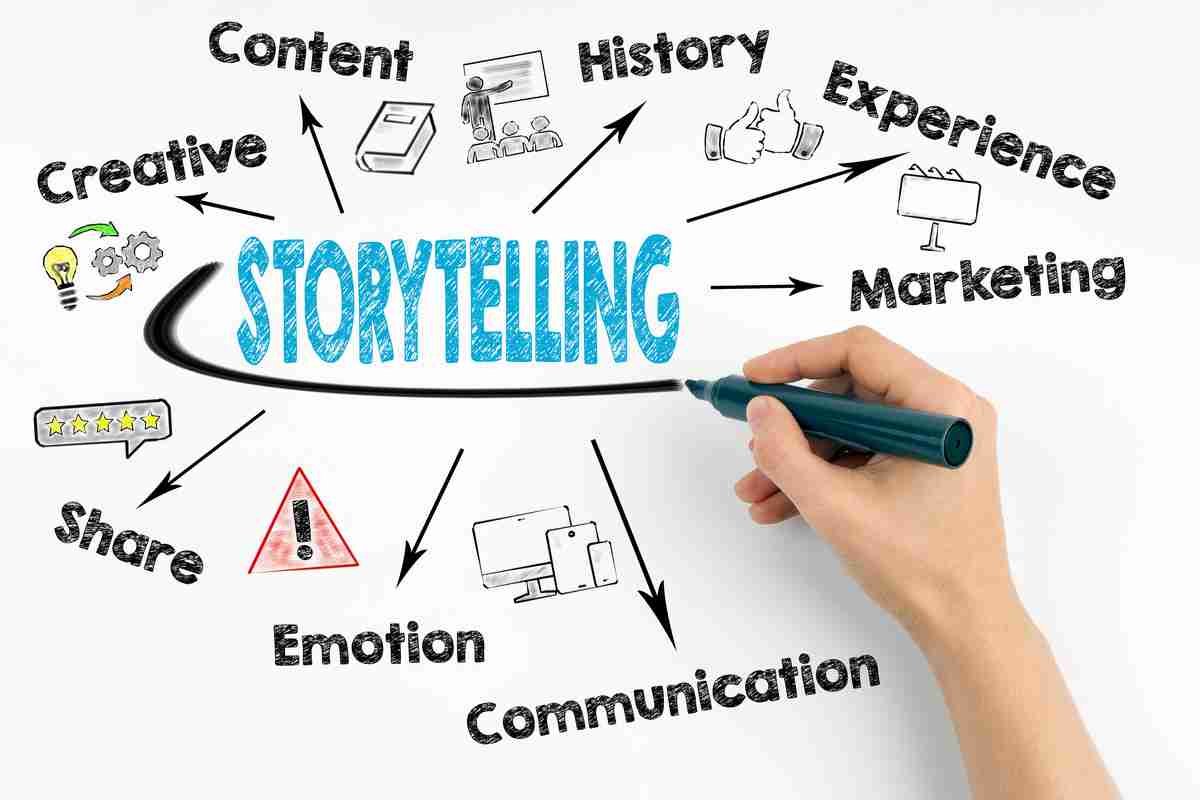
  • What is Storytelling?

    What is Storytelling?

    Storytelling is the ancient art of sharing stories, often with the intention of engaging the listener’s imagination, conveying a message, or inspiring action. It’s a fundamental human activity that transcends cultures and time periods. Here are some key aspects of storytelling:

    Elements:

    • Characters: These are the individuals or entities involved in the story, who drive the plot forward.
    • Plot: This is the sequence of events that unfold in the story, typically involving a conflict or problem that the characters must overcome.
    • Setting: This is the context in which the story takes place, including the time period and location.
    • Theme: This is the underlying message or idea that the story conveys.

    Forms:

    • Oral storytelling: This is the traditional form, where stories are shared through spoken word, often with improvisation and theatrics.
    • Written storytelling: This includes novels, short stories, poems, scripts, and other forms of written narrative.
    • Visual storytelling: This encompasses movies, TV shows, comics, paintings, and other visual mediums that use images to tell a story.

    Functions:

    • Entertainment: Stories provide enjoyment and escape from reality.
    • Education: Stories can teach us about history, culture, science, and other subjects.
    • Cultural preservation: Stories pass down traditions, values, and beliefs from generation to generation.
    • Connection: Stories help us connect with others by sharing experiences and emotions.
    • Motivation: Stories can inspire us to take action and make a difference.

    Overall, storytelling is a powerful tool that can be used for a variety of purposes. It’s a way to connect with others, share ideas, and make sense of the world around us.

  • GDPR and Email Marketing: Key Points

    GDPR and Email Marketing: Key Points

    GDPR and Email Marketing: Key Points: The General Data Protection Regulation (GDPR) has significantly impacted how businesses can use email marketing. Here’s a summary of the key points:

    Consent is King:

    • You must obtain explicit, informed, specific, and unambiguous consent from individuals before sending them marketing emails. This means pre-checked boxes or implied consent are no longer valid.
    • Individuals should be able to choose which types of emails they want to receive and easily unsubscribe at any time.

    Transparency matters:

    • Clearly explain how you will use their data for marketing purposes and their privacy rights.
    • Provide individuals with an easy way to access, rectify, or erase their data.

    Remember other rights:

    • Individuals have the right to object to processing their data for marketing purposes.
    • You must respond to requests within a reasonable timeframe (usually 30 days).

    Additional considerations:

    • For existing customers, you may be able to rely on legitimate interests for some marketing emails. However, individuals must still have the right to opt-out easily.
    • Sending emails without consent can lead to heavy fines and reputational damage.

    Best Practices:

    • Regularly review and update your email marketing practices to ensure compliance.
    • Use reputable email marketing platforms that offer GDPR-compliant features.
    • Seek legal advice if you have any uncertainties.

    Further Resources:

  • ICYMI: Unboxing New Deliverability Guidance for Gmail & Yahoo

    ICYMI: Unboxing New Deliverability Guidance for Gmail & Yahoo

    You’re right, both Gmail and Yahoo have implemented new deliverability guidelines that went into effect in February 2024. These changes aim to improve inbox security and reduce spam for their users, impacting all bulk email senders. Here’s a summary:

    Key Changes:

    • Spam Rate Thresholds:
      • Gmail: Maintains a spam rate below 0.10% and avoids reaching 0.30% or higher for sustained periods.
      • Yahoo: Maximum spam complaint rate of 0.3%.
    • One-Click Unsubscribe: Both require a one-click unsubscribe option in emails by June 1, 2024.
    • Authentication: Both emphasize sender authentication protocols like SPF, DKIM, and DMARC for improved deliverability.
    • Engagement & Reputation: Maintaining high engagement and positive sender reputation are crucial for good deliverability.

    Impact & Resources:

    • Compliance is essential: Ignoring these guidelines might lead to emails landing in spam folders or even getting blocked.
    • Prepare & adapt: Even if you follow best practices, reviewing your program’s health and adapting to the new rules is recommended.
    • Resources available: Several resources are available to help you understand and comply with the changes, including guides from Braze, CleverTap, Bounteous, and Adobe Experience Cloud.

    Additional Notes:

    • The deadlines for full compliance are:
      • Gmail: Temporary bounces for non-compliance started in February, but emails still deliver. Full enforcement expected later.
      • Yahoo: Enforcement began in February.
    • The specific impact on your email deliverability depends on your current practices and adherence to the new guidelines.
  • Mailchimp vs Klaviyo

    Mailchimp vs Klaviyo

    Both Mailchimp and Klaviyo are popular email marketing platforms, but they cater to different needs. Here’s a breakdown to help you choose:

    Target audience:

    • Mailchimp: Ideal for small businesses, bloggers, and content creators who need a user-friendly platform with basic email marketing features.
    • Klaviyo: Designed for eCommerce businesses who need advanced features such as deep integrations, automation based on purchase behavior, and detailed analytics.

    Key features:

    • Mailchimp:
      • Drag-and-drop email builder
      • Landing page creation
      • Basic segmentation
      • Marketing automation (limited)
      • A/B testing
      • Free plan available
    • Klaviyo:
      • Advanced segmentation based on purchase behavior
      • Extensive e-commerce integrations
      • Powerful automation workflows
      • SMS marketing
      • Detailed sales and customer analytics
      • No free plan

    Pricing:

    • Mailchimp: Starts at $13/month for paid plans, with more features unlocked at higher tiers.
    • Klaviyo: Starts at $45/month, with the cost increasing based on the number of contacts.

    Overall:

    • Choose Mailchimp if: You’re starting out, prioritize ease of use, and don’t have extensive e-commerce needs.
    • Choose Klaviyo if: You run an e-commerce store, need advanced features and automation, and value detailed data insights.

    Remember, the best platform for you depends on your specific needs and budget. Consider your requirements carefully before making a decision.

  • Email Marketing Benefits

    Email Marketing Benefits

    Email marketing offers a multitude of benefits for businesses of all sizes and industries. Here are some of the key advantages:

    High ROI: Compared to other marketing channels, email marketing boasts a relatively low cost with impressive returns. Studies show an average ROI of $36 for every $1 spent, making it a cost-effective way to reach your target audience.

    Direct communication: Unlike social media or other platforms, email marketing allows you to directly reach your audience’s inbox, ensuring they see your message. This direct communication channel opens up opportunities for building stronger relationships and personalized engagement.

    Targeted campaigns: With email marketing, you can segment your audience based on demographics, interests, purchase history, or other relevant data. This allows you to send highly targeted campaigns with personalized messages that resonate more effectively with specific groups within your audience.

    Measurable results: Unlike traditional marketing methods, email marketing provides detailed insights and analytics. You can track open rates, click-through rates, engagement metrics, and conversions, allowing you to measure the effectiveness of your campaigns and optimize them for better results.

    Versatility: Email marketing can be used for various purposes, such as promoting new products or services, sharing valuable content, nurturing leads, driving sales, and building brand awareness. You can tailor your email content and format to match different goals and engage your audience effectively.

    Automation: Automation features in email marketing platforms allow you to schedule campaigns in advance, personalize messages based on specific criteria, and trigger automated email sequences based on user behavior. This saves time and effort while delivering targeted and timely messages.

    Scalability: As your business grows, your email list can grow with it. You can easily reach a large audience with your message without additional costs or logistical limitations.

    Building relationships: Email marketing goes beyond just promoting your products or services. It allows you to build valuable relationships with your audience by providing them with helpful information, personalized offers, and engaging content. This fosters trust and loyalty, leading to repeat customers and brand advocates.

    Strong brand awareness: Consistent email communication helps keep your brand in front of your audience’s mind. By sharing valuable content and engaging with them via email, you can build brand recognition and increase awareness of your offerings.

    In conclusion, email marketing offers a powerful and versatile tool for businesses to connect with their audience, drive sales, and build relationships. Its affordability, measurability, and high ROI make it a valuable addition to any marketing strategy.

  • How to identify the target audience?

    How to identify the target audience?

    Identifying your target audience is crucial for crafting effective cold emails, and I can definitely help you with that! Here are some key steps you can take:

    1. Look within your existing customer base:

    • Analyze demographics and psychographics of your current customers.
    • Conduct customer surveys or interviews to understand their needs and motivations.
    • Identify common characteristics of customers who benefit the most from your product/service.

    2. Research your market:

    • Analyze industry reports and trends to understand the needs and challenges of your potential customers.
    • Identify your closest competitors and analyze their target audience.
    • Look for niche communities or online forums relevant to your product/service.

    3. Leverage online analytics:

    • Use website analytics tools like Google Analytics to understand your website visitors’ demographics and interests.
    • Analyze social media insights to see who engages with your content and competitors’.
    • Utilize advertising platforms like Facebook Ads or Google Ads to gather audience insights.

    4. Create buyer personas:

    • Combine your gathered information to build detailed profiles of your ideal customers.
    • Include demographics, psychographics, pain points, goals, values, and information consumption habits.
    • Create multiple personas if your target audience comprises diverse segments.

    5. Consider your marketing channels:

    • Different channels may attract different audiences. Tailor your messaging and targeting accordingly.
    • For example, LinkedIn might work well for B2B audiences, while Instagram might be better for B2C.

    Remember: Identifying your target audience is an iterative process. Continuously gather feedback, test different approaches, and refine your understanding based on results.

    Additional resources:

    By following these steps and utilizing the tools available, you can identify your ideal customer persona and send cold emails that resonate deeply, leading to higher engagement and desired actions.

  • Improve email deliverability

    Improve email deliverability

    Email deliverability is indeed crucial for reaching your target audience and achieving your communication goals. Here are some key steps you can take to improve your email deliverability:

    Authentication:

    • SPF (Sender Policy Framework): This helps identify authorized senders for your domain, preventing email spoofing.
    • DKIM (DomainKeys Identified Mail): Adds digital signatures to verify email authenticity and prevent modification.
    • DMARC (Domain-based Message Authentication, Reporting & Conformance): Builds upon SPF and DKIM, telling receivers how to handle unauthenticated emails from your domain.

    List Hygiene:

    • Opt-in: Use confirmed opt-in methods (double opt-in) to ensure recipients want your emails.
    • Clean your list regularly: Remove inactive users, bounced addresses, and spam traps.
    • Segmentation: Send targeted emails based on interests and preferences to improve engagement.

    Email Content & Sending Practices:

    • Avoid spammy triggers: Steer clear of excessive exclamation points, all caps, misleading subject lines, and excessive HTML/images.
    • Personalization: Use recipient names and relevant content to increase engagement and avoid spam filters.
    • Warm up your IP: Gradually increase sending volume to build a good reputation with ISPs.
    • Monitor your metrics: Track open rates, click-through rates, and bounces to identify and address issues.
    • Use a reputable email service provider (ESP): They offer tools and expertise to help with deliverability.

    Additional Tips:

    • Provide an unsubscribe option: Make it easy for users to opt-out if they no longer want your emails.
    • Send at optimal times: Consider your target audience’s time zones and preferences.
    • Test different subject lines and email formats: See what resonates best with your audience.
    • Stay informed: Keep up-to-date on deliverability best practices and changes in spam filtering algorithms.

    By following these practices, you can significantly improve your email deliverability and ensure your messages reach the intended recipients. Remember, it’s an ongoing process, so continuous monitoring and adjustments are key for long-term success.