HOME » Page 20

Blog

  • What is ABM?

    What is ABM?

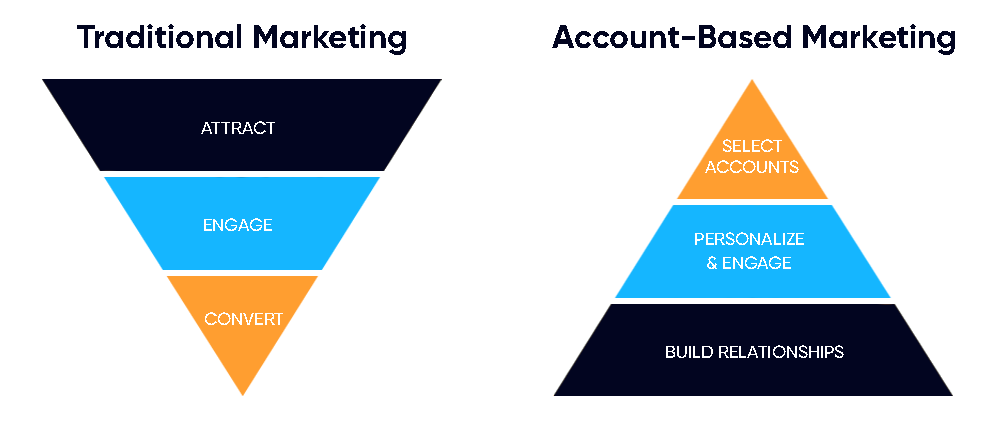
    ABM stands for Account-Based Marketing. It’s a strategic approach to business marketing that focuses on a set of high-value target accounts within a market. Unlike traditional marketing methods that cast a wide net, ABM treats each target account as a “market of one” and tailors its marketing efforts to their specific needs and challenges.

    Here’s a breakdown of the key aspects of ABM:

    Focus: Instead of generating leads from a broad audience, ABM identifies a limited number of highly valuable accounts and concentrates its resources on engaging and converting them.

    Personalization: The core of ABM is creating hyper-personalized experiences for each target account. This involves deep research to understand their unique needs, challenges, and decision-making processes. All marketing campaigns, content, and communications are then customized to resonate with each specific account.

    Collaboration: ABM requires close collaboration between marketing and sales teams. They work together to identify target accounts, develop personalized strategies, and execute campaigns that drive revenue.

    Benefits: Compared to traditional marketing, ABM can offer several advantages:

    • Higher ROI: By focusing on high-value accounts, ABM can generate a significant return on investment compared to broad-based marketing efforts.
    • Improved customer relationships: The personalized approach of ABM fosters deeper relationships with target accounts, leading to increased customer loyalty and satisfaction.
    • Faster sales cycles: Tailored campaigns can shorten the sales cycle by reaching the right decision-makers and addressing their specific concerns.

    Here are some examples of ABM strategies:

    • Direct mail campaigns: Sending personalized letters or packages with relevant content and offers to key contacts within target accounts.
    • Social media outreach: Reaching out to individuals in target accounts on LinkedIn or other platforms with specific messaging and engagement strategies.
    • Account-based advertising: Dynamically displaying targeted ads based on the interests and online behavior of key decision-makers.
    • Executive briefings and events: Hosting personalized events or webinars tailored to the specific challenges and interests of a target account.

    Overall, ABM is a powerful marketing strategy for B2B businesses looking to optimize their sales efforts and build strong relationships with high-value customers.
  • Email marketing for CPAs

    Email marketing for CPAs

    Email Marketing for CPAs: Subject Lines and Content Ideas

    Subject Lines:

    Attracting New Clients:

    • Tax Season Ready? 5 Tips to Save You Time and Money (Free Checklist!)
    • Is Your Business Growing Out of Its Accounting System? Upgrade Today!
    • Avoid 3 Costly Tax Mistakes that Small Businesses Make (and How We Can Help)
    • Frustrated with Paperwork? Discover the Power of Automated Accounting
    • Don’t Let Tax Deadlines Stress You Out – Let Us Handle It!

    Nurturing Existing Clients:

    • Market Update: Key Insights You Need to Know for Your Business
    • Tax Optimization Strategies for [Specific Industry] Businesses
    • Free Webinar: Maximize Your R&D Tax Credits for 2024
    • Exclusive Client Offer: Book Your Early Bird Tax Appointment Now!
    • Client Spotlight: See How We Helped [Client Name] Achieve [Result]

    Content Ideas:

    Blog Posts & Articles:

    • Tax Tips for Freelancers
    • Choosing the Right Business Entity for Your Startup
    • Understanding Depreciation and Capitalization
    • How to Prepare for an IRS Audit
    • 5 Ways to Improve Your Cash Flow

    Webinars & E-books:

    • Retirement Planning Strategies for Small Business Owners
    • The Ultimate Guide to Small Business Accounting Software
    • 5 Steps to Building a Budget You’ll Stick To
    • Understanding Tax Implications of Cryptocurrency Investments
    • How to Get the Most Out of Your CPA Relationship

    Case Studies & Testimonials:

    • Showcase success stories of clients your firm has helped achieve financial goals.
    • Include quotes and positive feedback from satisfied clients.

    Additional Tips:

    • Segment your email list: Tailor your content to different groups of recipients based on their needs and interests.
    • Personalize your emails: Use the recipient’s name and mention specific challenges they might be facing.
    • Focus on providing value: Offer helpful advice, insights, and resources that will benefit your audience.
    • Include a clear call to action: Tell your readers what you want them to do next, whether it’s scheduling a consultation, downloading a resource, or visiting your website.
    • Use a visually appealing email template: Make your emails easy to read and engaging.
    • Track your results: Use email analytics to see what’s working and what’s not, and make adjustments accordingly.

    Remember, effective email marketing for CPAs is all about building trust and demonstrating your expertise. By providing valuable content and personalized communications, you can attract new clients, nurture existing relationships, and position your firm as a trusted advisor.

    I hope this gives you some ideas for your CPA email marketing campaigns!

  • 3 Tips for building loyal customers

    3 Tips for building loyal customers

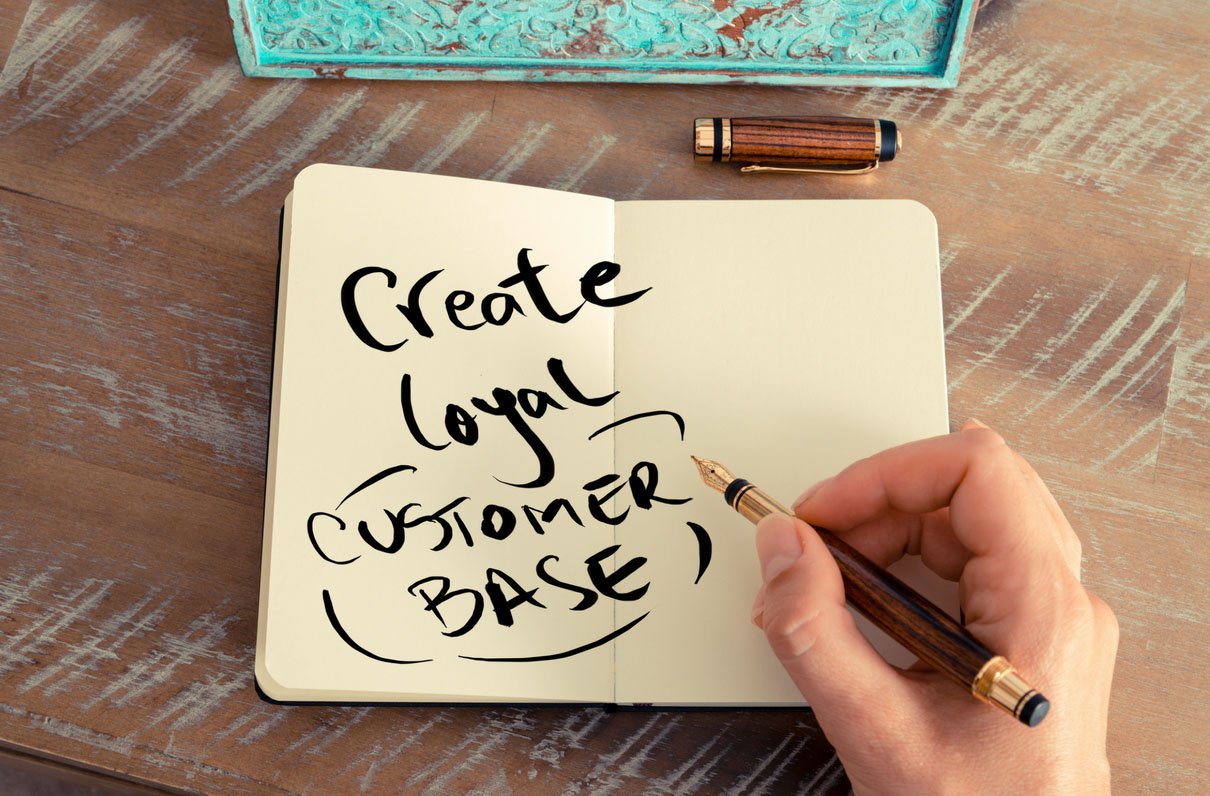
    Here are 3 key tips for building loyal customers:

    1. Go beyond transactions, focus on connections:

    • Know your customers: Personalization is key! Actively gather customer data (with their consent) through surveys, interactions, and purchase history. Use this to personalize communication, offers, and recommendations, making them feel valued and understood.
    • Provide exceptional service: Train your team to be friendly, helpful, and proactive in resolving issues. Show genuine care and go the extra mile to create positive experiences. Remember, loyal customers are often born from memorable moments of care.
    • Engage in meaningful conversations: Don’t just broadcast messages. Use social media, email, or even handwritten notes to engage with customers on a human level. Share interesting content, ask questions, and respond to feedback promptly. Foster a sense of community and belonging around your brand.

    2. Reward and incentivize loyalty:

    • Implement a loyalty program: Points, discounts, or exclusive experiences can go a long way in appreciating repeat customers. Make sure the program is easy to understand and offers valuable rewards that motivate continued engagement.
    • Offer personalized incentives: Analyze customer data to tailor rewards and promotions to individual preferences. This shows you’re paying attention and value their specific needs.
    • Surprise and delight your customers: Occasionally go beyond expected benefits. Offer birthday gifts, early access to new products, or special invitations to events. These unexpected gestures create lasting positive memories and strengthen loyalty.

    3. Continuously improve and listen to feedback:

    • Actively seek feedback: Regularly ask customers for their opinions through surveys, reviews, or even informal conversations. Understand their pain points, needs, and aspirations.
    • Show you’re listening: Respond to feedback promptly and transparently. Acknowledge concerns, explain actions taken based on suggestions, and demonstrate your commitment to improvement.
    • Embrace a culture of iteration: Use customer feedback to continuously improve your products, services, and overall customer experience. Show customers that you’re constantly striving to be better and value their input.

    Remember, building customer loyalty is a continuous process, not a one-time effort. By focusing on creating positive connections, rewarding valued customers, and continuously improving, you can forge strong relationships that translate into lasting loyalty and business success.

  • Email marketing for SaaS companies

    Email marketing for SaaS companies

    Email marketing is a powerful tool for SaaS companies to engage users, acquire new leads, and drive conversion. Here are some key strategies to utilize email marketing effectively:

    1. Know your audience: Segment your users based on factors like product usage, demographics, and pain points. This allows for targeted communication and personalized content.

    2. Define your goals: Do you want to increase user engagement, acquire new leads, or drive product adoption? Align your email campaigns with specific goals to measure success.

    3. Offer valuable content: Provide users with informative and actionable content related to your industry or their specific needs. Consider blog posts, webinars, tutorials, white papers, or exclusive reports.

    4. Nurture leads effectively: Utilize automated email sequences to welcome new users, educate them about your product, and guide them towards conversion.

    5. Promote product adoption: Highlight new features, showcase success stories, and offer tips and tricks to help users get the most out of your product.

    6. Don’t forget transactional emails: Use order confirmations, welcome messages, and renewal reminders as opportunities to build relationships and encourage additional engagement.

    7. Personalize your emails: Include dynamic content such as user names, past interactions, or product preferences to make emails feel relevant and personal.

    8. A/B test and optimize: Experiment with different subject lines, content formats, and sending times to see what resonates best with your audience. Continuously analyze your results and make adjustments to improve campaign performance.

    9. Integrate with other channels: Combine email marketing with social media, content marketing, and other channels to create a cohesive user experience and reinforce your message.

    10. Maintain compliance: Be mindful of anti-spam laws and respect unsubscribe requests. Build trust and maintain a good sender reputation.

    Here are some additional tips:

    • Use a strong call to action in every email: Tell users what you want them to do next, whether it’s visiting your website, downloading a resource, or starting a free trial.
    • Make your emails mobile-friendly: Ensure your emails display well on all devices.
    • Track your results: Monitor key metrics like open rates, click-through rates, and conversion rates to understand what’s working and what’s not.
    • Get creative: Use storytelling, humor, or visual elements to make your emails stand out and engage your audience.

    By implementing these strategies and consistently refining your approach, you can transform email marketing into a powerful tool for your SaaS business. Remember, the key is to provide value, build relationships, and nurture leads towards conversion.

  • Lead Magnets

    Lead Magnets

    Lead Magnets: Your Key to Attracting High-Quality Leads

    In the realm of email marketing, the mighty lead magnet reigns supreme. But what exactly is it, and how can you wield this powerful tool to attract valuable leads and grow your audience? Let’s dive in!

    What is a Lead Magnet?

    A lead magnet is a valuable offer or incentive exchanged for a potential customer’s contact information, typically their email address. It acts as a bridge, enticing them to join your email list in exchange for something they perceive as beneficial.

    Why are Lead Magnets Important?

    • Attract qualified leads: By offering targeted content relevant to your ideal customer’s needs, you attract potential customers genuinely interested in what you have to offer.
    • Build email lists: Growing your email list is crucial for nurturing leads and promoting sales. Lead magnets encourage sign-ups, giving you a platform to communicate directly with your target audience.
    • Establish trust and authority: Providing valuable content demonstrates your expertise and builds trust with potential customers, making them more receptive to your future communication.

    Types of Effective Lead Magnets:

    • Ebooks and white papers: Offer in-depth insights and solutions to your target audience’s problems.
    • Templates and checklists: Provide practical tools and resources to simplify tasks or processes relevant to your niche.
    • Webinars and live sessions: Share valuable knowledge and engage your audience in real-time.
    • Case studies and success stories: Showcase your expertise and the positive impact you’ve had on others.
    • Discounts and exclusive offers: Entice sign-ups with a taste of what they can gain by doing business with you.

    Creating Successful Lead Magnets:

    • Focus on providing value: Offer something truly useful and relevant to your ideal customer’s needs and pain points.
    • Solve a problem: Address a specific challenge your target audience faces and showcase how your product or service can help.
    • Keep it concise and actionable: Your lead magnet should be easy to consume and offer practical takeaways.
    • Design professionally: Presentation matters! Invest in a polished and visually appealing format.
    • Promote effectively: Make your lead magnet easily accessible and highlight its benefits through website calls to action, social media, and other marketing channels.

    Remember:

    • Test and iterate: Track the performance of your lead magnets and refine them based on data and audience feedback.
    • Segment your audience: Offer different lead magnets catering to the specific needs and interests of different groups within your target audience.
    • Stay consistent: Deliver on your promises and provide high-quality content to establish long-term trust and engagement with your leads.

    By carefully crafting and deploying effective lead magnets, you can unlock the doors to a thriving email list and cultivate a community of potential customers eager to learn more about what you offer. So, go forth and magnetize your audience!

  • How to set campaign goals for email marketing?

    How to set campaign goals for email marketing?

    Setting Smart Goals for Your Email Marketing Campaign:

    Before crafting amazing emails, it’s crucial to define your campaign goals! This way, you can measure success and ensure your efforts align with your overall business objectives. Here’s how to set smart goals for your email marketing campaign:

    1. Start with the BIG picture:

    • Align with overall business goals: What are you trying to achieve overall? Increased brand awareness, higher sales, more leads, customer retention? Tie your email campaign goals to the bigger picture.

    2. Get SMART:

    • Specific: Define your goals clearly and precisely. “Increase engagement” is vague, while “achieve 15% higher open rates than last campaign” is specific.
    • Measurable: Choose goals you can track and quantify. Track open rates, click-through rates, conversions, etc.
    • Attainable: Set ambitious but achievable goals. Don’t aim for a 100% open rate – that’s unrealistic!
    • Relevant: Your goals should be relevant to your audience and business context.
    • Time-bound: Set deadlines for achieving your goals. “Increase sales by Q4” provides a timeframe.

    3. Consider different types of goals:

    • Brand awareness: Focus on metrics like open rates, social shares, website visits from email clicks.
    • Lead generation: Track downloads, sign-ups, form submissions, and website interactions leading to lead capture.
    • Sales and conversions: Monitor how many people click on product links, make purchases, or use discount codes from emails.
    • Customer engagement and retention: Track click-through rates on loyalty program offers, survey responses, and email replies.

    4. Be specific for different segments:

    • If you have segmented your email list, set specific goals for each segment based on their needs and interests.

    5. Track and adapt:

    • Regularly monitor your progress towards your goals. If something isn’t working, adapt your strategy or adjust your goals.

    Remember: Setting well-defined email marketing goals is like having a roadmap to success. It guides your content, informs your decisions, and helps you measure the impact of your efforts. So, take some time to set SMART goals, and watch your email campaigns flourish!

  • How to Segment Email Lists?

    How to Segment Email Lists?

    Here’s a guide on how to segment your email list effectively:

    1. Gather Data:

    • Collect information about your subscribers: Use signup forms, surveys, purchase history, website behavior, email engagement metrics, and any other relevant data points.
    • Ensure data quality: Verify accuracy and completeness to avoid targeting errors.
    • Segment based on:
      • Demographics (age, gender, location, job title, industry)
      • Interests (product preferences, hobbies, content interests)
      • Behavior (website activity, email opens/clicks, past purchases)
      • Lifecycle stage (new subscribers, leads, existing customers, inactive users)

    2. Choose Segmentation Criteria:

    • Align segmentation with your goals: What specific outcomes do you want to achieve with targeted emails?
    • Start with simple segmentation: Begin with a few key criteria and gradually refine as you gather more data.
    • Consider multiple factors: Combine different criteria to create more comprehensive segments.

    3. Use Email Marketing Tools:

    • Most email marketing platforms: Offer segmentation features for creating and managing segments.
    • Automation: Set up rules to automatically assign subscribers to segments based on their actions.

    4. Create Targeted Email Campaigns:

    • Personalize emails: Use segmentation data to tailor content, offers, and calls to action to each segment’s unique interests and needs.
    • Test different approaches: Experiment with subject lines, content formats, and sending times to see what resonates best with each segment.

    5. Track and Refine:

    • Monitor campaign performance: Track open rates, click-through rates, conversions, and other key metrics.
    • Analyze results: Identify what’s working and what needs improvement.
    • Refine segments: Adjust segmentation criteria or create new segments based on insights.
    • Continuously improve: Stay flexible and adapt your segmentation strategy as your audience and business evolve.

    Additional Tips:

    • Don’t over-segment: Avoid creating too many segments that become difficult to manage and track.
    • Respect privacy: Comply with data privacy regulations and allow subscribers to manage their preferences.
    • Keep data updated: Ensure your segmentation criteria reflect current subscriber information.
    • Integrate with other channels: Use segmentation insights to personalize content across other marketing channels.

    Remember, segmentation is an ongoing process. By continuously gathering data, refining segments, and personalizing your campaigns, you can maximize the impact of your email marketing efforts and build stronger relationships with your subscribers.

  • Why should you segment your email list?

    Why should you segment your email list?

    Email list segmentation is the key to unlocking the true potential of your email marketing efforts. It’s like sending personalized gifts to your friends instead of handing out the same box of chocolates to everyone at a party. Here’s why you should segment your email list:

    1. Increased relevance and engagement:

    • Segmented emails address the specific needs and interests of different subscriber groups. People are more likely to open and engage with emails that feel tailored to them, leading to higher open rates, click-through rates, and conversions.

    2. Improved sales and conversions:

    • By targeting your messages to subscribers who are most likely to be interested in your offers, you can significantly increase your conversion rates. Tailored promotions and special deals resonate better, leading to more purchases and leads.

    3. Enhanced customer satisfaction and loyalty:

    • When people receive emails that are relevant to them, they feel valued and understood. This builds trust and loyalty towards your brand, encouraging them to stay engaged and interact with you further.

    4. More effective content and offers:

    • Segmentation allows you to personalize your content and offers based on subscriber demographics, interests, or purchase history. This ensures that you’re sending something your audience genuinely wants or needs, avoiding generic messages that feel irrelevant.

    5. Reduced unsubscribe rates:

    • People are more likely to unsubscribe from a mailing list if they receive irrelevant emails. By sending targeted messages, you can avoid annoying them and keep them engaged, resulting in lower unsubscribe rates and a healthier list.

    6. More efficient use of resources:

    • Sending targeted emails means you’re not wasting resources on people who aren’t interested in your offer. This allows you to optimize your email marketing budget and ensure you’re getting the most out of your investment.

    Here are some examples of how you can segment your email list:

    • Demographics: Age, gender, location
    • Interests: Product preferences, hobbies, purchase history
    • Behavior: Website activity, email engagement, past purchases
    • Lifecycle stage: New customers, leads, existing customers, inactive subscribers

    Remember, effective segmentation is an ongoing process. As your list grows and you gather more data, you can further refine your segments and personalize your emails even more.

    By embracing segmentation, you can unlock the true power of email marketing and achieve your goals, whether it’s building brand awareness, driving sales, or nurturing customer relationships. So, ditch the one-size-fits-all approach and start segmenting your email list today!

  • How to Send Marketing Emails?

    How to Send Marketing Emails?

    Sending effective marketing emails involves several key steps:

    1. Prepare your foundation:

    • Set your goals: Define what you want to achieve with your campaign – brand awareness, website traffic, lead generation, sales?
    • Know your audience: Understand your target demographic, their needs, and preferred communication style.
    • Choose an email marketing platform: Select a tool like Mailchimp, Constant Contact, or HubSpot to manage your list, design emails, and track data.
    • Build your email list: Attract subscribers organically through website forms, incentives, or targeted campaigns. Segment your list based on demographics, interests, or behaviors for better personalization.

    2. Craft engaging emails:

    • Write impactful subject lines: Intrigue your audience and encourage them to open your email. Keep it concise and relevant to the content.
    • Design for readability: Use a clean layout, readable fonts, and high-quality visuals. Optimize for mobile devices.
    • Personalize your message: Address subscribers by name, reference past interactions, or tailor content based on their interests.
    • Focus on value: Provide valuable information, helpful resources, or exclusive offers that benefit your audience.
    • Craft a clear call to action: Tell readers what you want them to do, whether it’s clicking a link, visiting your website, or making a purchase.

    3. Send strategically:

    • Consider time zones and audience preferences: Choose a sending time that aligns with your audience’s likely activity hours.
    • Automate triggered campaigns: Set up automated emails for welcome messages, abandoned cart reminders, or birthday greetings.
    • Track and analyze performance: Monitor open rates, click-through rates, and conversion rates to understand what resonates with your audience and adjust your strategies accordingly.

    4. Ensure compliance:

    • Get permission: Always comply with anti-spam laws and respect unsubscribe requests. Clearly state how subscribers can manage their preferences.
    • Maintain good sender reputation: Avoid spam practices and maintain a clean email sending history to ensure your emails reach inboxes.

    5. Continuously improve:

    • A/B test different elements: Experiment with subject lines, content, and design to see what works best for your audience.
    • Refine your strategy based on data: Analyze results and adapt your approach for better engagement and conversions.
    • Stay updated on trends: Keep learning about new email marketing techniques, personalization tools, and emerging technologies.

    Remember, sending effective marketing emails is an ongoing process that requires experimentation, analysis, and adaptation. By following these steps and constantly learning, you can achieve your goals and build strong relationships with your audience through the power of email marketing.

  • How to effectively use email marketing?

    How to effectively use email marketing?

    Here are some key steps to effectively use email marketing:

    1. Define your goals and target audience:

    • Goals: What do you want to achieve with your email marketing? Drive sales, increase brand awareness, nurture leads, build customer loyalty? Knowing your goals helps tailor your campaigns.
    • Target audience: Who are you trying to reach? Understanding your ideal customer’s demographics, interests, and pain points enables personalized content.

    2. Build a quality email list:

    • Focus on organic growth: Use opt-in forms and incentives to attract genuine subscribers interested in your offerings.
    • Segment your list: Divide subscribers based on demographics, interests, or purchase history for targeted communication.

    3. Choose the right tools and platform:

    • Email marketing platform: Tools like Mailchimp, Constant Contact, or HubSpot offer features for list management, email creation, analytics, and automation.
    • Landing pages: Design compelling landing pages for offers mentioned in your emails.

    4. Craft engaging and personalized emails:

    • Strong subject lines: Intrigue your audience and encourage them to open your emails.
    • Catchy visuals: High-quality images and videos break up text and enhance engagement.
    • Benefit-oriented content: Focus on how your offering solves their problems or improves their lives.
    • Personalized elements: Use subscriber names, purchase history, or interests to make emails feel personal.
    • Clear call to action: Tell readers what you want them to do, whether it’s clicking a link, making a purchase, or downloading a document.

    5. Deliver at the right time:

    • Consider time zones and your audience’s busy schedules.
    • A/B test different sending times to see what performs best.
    • Use automation for triggered emails like welcome messages or abandoned cart reminders.

    6. Track and analyze your results:

    • Open rates, click-through rates, and conversion rates: Monitor key metrics to see how your campaigns are performing.
    • A/B test different elements: Optimize your subject lines, content, and design based on what resonates with your audience.
    • Refine your strategy: Use data to adjust your approach and improve future campaigns.

    7. Build relationships and nurture leads:

    • Go beyond promotional emails: Offer valuable content like blog posts, guides, or webinars.
    • Engage in conversation: Respond to feedback and questions promptly and personalize future interactions.
    • Provide value consistently: Show your audience you care and build long-term loyalty.

    Bonus tips:

    • Get permission: Always comply with anti-spam laws and respect unsubscribe requests.
    • Maintain a consistent brand voice: Use the same tone and personality in your emails as you do on other marketing channels.
    • Be mobile-friendly: Ensure your emails look good and function properly on all devices.
    • Don’t be afraid to experiment: Try new things and see what works best for your audience.

    By following these steps and continuously tweaking your approach, you can effectively use email marketing to achieve your goals and build strong relationships with your audience.

    Remember, email marketing is a long-term investment. Be patient, focus on value, and continuously refine your strategy for optimal results.